Smart Home for Beginners: Where to Actually Start
 Lena Anderson
I remember sitting on my living room floor last year, surrounded by three different charging cables, two incompatible hubs, and a mounting sense of frustration that I was actually making my life more complicated. We’ve been sold this dream that a smart home for beginners means living in a futuristic sci-fi movie where everything responds to a whispered command, but the reality often feels more like a tech-induced headache. Between the aggressive marketing and the eye-watering price tags, it’s easy to feel like you need an engineering degree just to dim your own lights.
I’m not here to sell you on every shiny new gadget that pops up on your social feed. Instead, I want to show you how to build a space that actually supports your mental well-being and simplifies your daily grind. My goal is to give you a realistic, budget-friendly roadmap to setting up a smart home for beginners that focuses on intentionality over impulse buys. We’re going to cut through the digital noise and focus on the tech that truly helps you reclaim your time and find your flow.
Table of Contents
- Choosing Your Foundation a Smart Home Ecosystem Comparison
- Finding Your Rhythm the Best Smart Devices for Beginners
- Small Steps, Big Zen: 5 Pro-Tips to Keep Your Smart Home Stress-Free
- Quick Wins for Your Balanced Smart Home
- The Heart of the Matter
- Creating Your Personal Sanctuary
- Frequently Asked Questions
Choosing Your Foundation a Smart Home Ecosystem Comparison
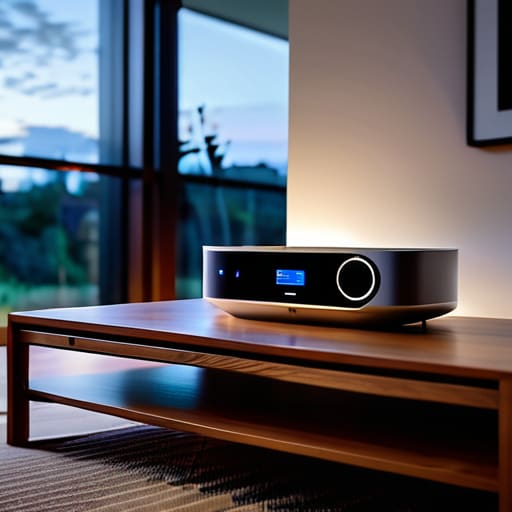
Before you go out and buy every gadget that looks shiny on a tech blog, we need to talk about the "brain" of your house. Think of this like choosing a career path or a financial strategy; if your foundation is shaky, everything else feels chaotic. This is where a smart home ecosystem comparison becomes your best friend. You’re essentially deciding which "language" your house will speak. Will you go all-in with Amazon Alexa, lean into the Google Home universe, or perhaps stick with Apple’s ecosystem for that extra layer of privacy?
The secret to avoiding a high-stress tech headache is prioritizing voice assistant compatibility from day one. If you buy a smart lightbulb that won't talk to your smart speaker, you haven't built a smart home—you've just bought an expensive remote control. I always tell my clients to look for devices that play well with others. By choosing a unified ecosystem early on, you’re not just buying gadgets; you’re automating home routines that actually give you time back for yoga or a quiet cup of coffee, rather than spending your evening troubleshooting why the kitchen lights won't dim.
Finding Your Rhythm the Best Smart Devices for Beginners
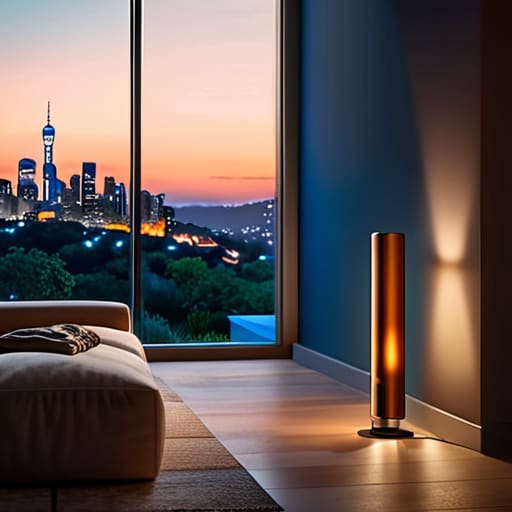
Once you’ve picked your ecosystem, it’s time for the fun part: picking your players! When I’m looking at the best smart devices for beginners, I always tell my clients to think about what actually removes friction from their daily lives. For me, it starts with lighting and climate. Imagine walking through the door after a hectic day in the city, and your lights softly dim to a warm amber while your thermostat adjusts to your perfect temperature. It’s not just tech; it’s a sensory reset that helps you transition from "work mode" to "zen mode" instantly.
Next, let's talk about the brain of your operation. Setting up a smart home hub—whether it’s through a smart speaker or a dedicated display—is where the magic happens. This is where you can start automating home routines that feel like a personal assistant. I love setting a "Morning Flow" routine: my coffee maker starts, my favorite upbeat playlist begins to play, and my smart blinds slowly rise to let in the sun. It’s about creating a rhythm that supports your wellness, not just adding more gadgets to your desk.
Small Steps, Big Zen: 5 Pro-Tips to Keep Your Smart Home Stress-Free
- Start small to avoid "tech overwhelm." You don't need to automate your entire house by next Tuesday. Pick one area—maybe just your lighting or your thermostat—and get comfortable with it first. Think of it like starting a new yoga practice; you wouldn't attempt a headstand on day one!
- Prioritize your Wi-Fi strength. There is nothing that kills my zen faster than a "smart" device that keeps dropping offline right when I need it. Before you go on a shopping spree, make sure your router is up to the task, or consider a mesh system so your devices don't feel left out in the cold.
- Think about the "Why" before the "What." I always tell my clients to look at the ROI—not just in dollars, but in time and mental energy. Don't buy a smart gadget just because it's shiny; buy it because it actually solves a friction point in your daily routine, like dimming the lights automatically when it's time to unwind.
- Security is your financial and personal safety net. Since we’re talking about connecting your life to the internet, please, please use strong, unique passwords and enable two-factor authentication. Treat your digital home security with the same seriousness you’d treat your retirement account!
- Don't forget the "Human Element." A smart home should serve you, not the other way around. If a device is so complicated that you have to spend twenty minutes troubleshooting it every time you want to turn on a lamp, it’s not a smart home—it’s a chore. If it doesn't add joy or ease, let it go.
Quick Wins for Your Balanced Smart Home
Don't try to automate your entire life overnight; start with one or two devices that solve a real daily friction point, like smart lights that dim automatically when it's time to unwind.
Prioritize an ecosystem that plays well with others so you aren't stuck managing a dozen different apps, which only adds more mental clutter to your plate.
Remember that technology should serve your wellness, not the other way around—if a gadget feels more like a chore than a convenience, it’s okay to hit delete.
The Heart of the Matter
"Think of a smart home not as a collection of fancy gadgets to impress your neighbors, but as a way to automate the mundane so you can reclaim your most precious resource: your peace of mind."
Lena Anderson
Creating Your Personal Sanctuary
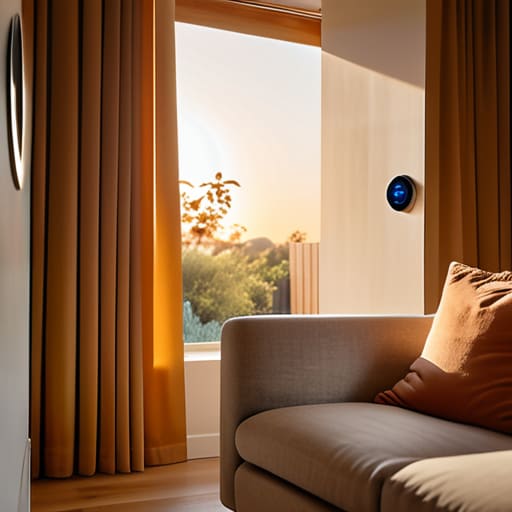
As we wrap this up, remember that building a smart home isn't about collecting every shiny new gadget on the market; it’s about being intentional with your choices. We’ve walked through the importance of picking a solid ecosystem to keep your tech from feeling like a chaotic second job, and we've explored how the right devices—from smart lighting to automated thermostats—can actually give you time back in your day. By focusing on tools that automate the mundane, you aren't just upgrading your house; you are strategically investing in a more streamlined, efficient version of your daily life.
At the end of the day, your home should be your ultimate sanctuary, a place where technology serves you rather than the other way around. Don't feel pressured to automate everything overnight; take it one step at a time, just like you would with a new career pivot or a financial savings plan. The goal is to create an environment that supports your wellness and allows you to truly unplug and recharge when the workday is done. You deserve a space that works as hard as you do, so go ahead, start small, and build a home that brings you genuine peace and joy.
Frequently Asked Questions
Is investing in a smart home going to blow a hole in my monthly budget, or are there affordable ways to start small?
I hear that anxiety loud and clear—it’s that classic "financial FOMO" meeting real-world budgeting! The good news? You definitely don't need to empty your savings to get started. Think of it like building a retirement fund: start small with one or two high-impact items, like a smart plug or a single bulb. You can scale up as your budget allows. It's about strategic growth, not a sudden, overwhelming expense!
How do I make sure all these new gadgets don't end up creating more digital clutter and stress instead of actually making my life easier?
Honestly, I get this fear! The last thing we need is a house full of gadgets that feel like a second job. My golden rule? If it doesn't solve a specific "friction point" in your daily routine, leave it on the shelf. Focus on automation that actually buys you back time—like lights that dim when you start your evening meditation—rather than just adding more notifications to your life. Keep it intentional, not just shiny.
Will adding all these connected devices make my home's Wi-Fi crawl, or can my current setup actually handle it?
This is such a valid concern! I used to worry that my tech obsession would turn my home office into a digital wasteland. Think of your Wi-Fi like your mental bandwidth: if you try to do too much at once without a plan, everything slows down. Most modern routers can handle a handful of devices, but if you're planning a full-scale smart home, investing in a mesh system is a total game-changer for maintaining that seamless flow.