What Is Artificial Intelligence? a Beginner's Guide
 Lena Anderson
I remember sitting in a high-rise conference room in Midtown last year, surrounded by tech consultants in crisp suits who were charging five figures just to explain "the future." They spoke in a dizzying blur of jargon, making it sound like magic, when really, they were just obfuscating the truth to keep the billable hours climbing. It honestly made my skin crawl. Everyone keeps asking, "what is artificial intelligence?" as if it’s some mystical, sentient force descending from the clouds to steal our jobs or save the world. But let’s cut through the expensive noise: it isn't a sci-fi movie, and it isn't a magic wand.
I’m not here to sell you on the hype or scare you with doom-and-gloom scenarios. My goal is to give you the unfiltered reality of how these tools actually function in a professional setting. I want to show you how to leverage this technology to automate the soul-crushing busywork, so you can actually reclaim your time for the things that matter—like a long yoga flow or a quiet morning without checking emails. We're going to look at practical integration without losing your humanity in the process.
Table of Contents
- The Evolution of Thought a History of Ai Development
- Decoding the Core Machine Learning vs Artificial Intelligence
- Making AI Work for You (Without Losing Your Soul)
- Bringing It All Home: What This Means for Your Future
- Redefining the Machine
- The Human Element in a Digital Age
- Frequently Asked Questions
The Evolution of Thought a History of Ai Development

To understand where we’re headed, we have to look back at how we got here. The history of AI development isn't just a timeline of silicon chips and code; it’s actually a fascinating story of human ambition. It all started with this beautiful, almost philosophical dream: could we build a machine that mimics the way we think? Back in the mid-20th century, pioneers weren't looking at sleek smartphones; they were dreaming of logic machines that could solve problems as well as a mathematician. It was a slow burn of trial and error, moving from simple rule-based systems to the complex architectures we see today.
As the decades rolled on, we moved away from rigid programming and toward something much more organic. This is where things get really interesting for us professionals. We shifted from machines that just "followed orders" to systems that could actually learn from experience. This transition is essentially the bridge between basic automation and the sophisticated machine learning vs artificial intelligence debate we often tackle in my coaching sessions. We moved from teaching computers what to think, to teaching them how to learn, paving the way for the intuitive tools that are currently reshaping our entire workforce.
Decoding the Core Machine Learning vs Artificial Intelligence
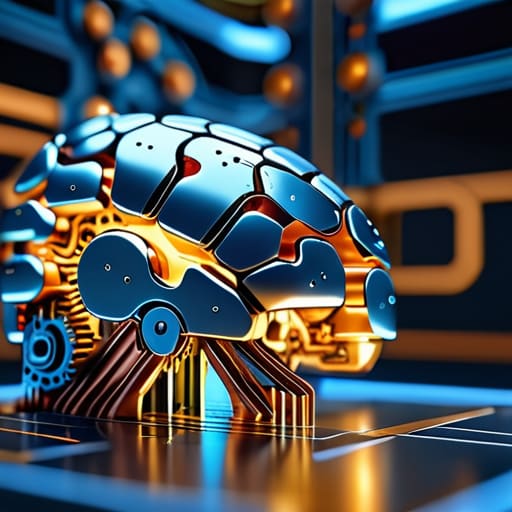
I like to think of it this way: if Artificial Intelligence is the grand vision of a machine that can mimic human thought, then machine learning is the actual engine under the hood making it happen. People often use these terms interchangeably, but there’s a distinct hierarchy at play. While AI is the broad umbrella covering everything from basic automation to complex reasoning, machine learning is the specific subset that allows systems to learn from data without being explicitly programmed for every single task. It’s the difference between a recipe that follows strict instructions and a chef who tastes the sauce and adjusts the seasoning on the fly.
To get a bit more technical—without the headache—we can look at how these systems process information through neural networks explained in simpler terms. Imagine a digital web of connections that mimics our own brain cells; as the system encounters more data, those connections strengthen, allowing the machine to recognize patterns. This isn't just academic fluff, either. When we look at real world AI applications, like your Netflix recommendations or even the fraud alerts from your bank, you’re seeing the direct result of these layers of learning working in harmony to make our digital lives a little more seamless.
Making AI Work for You (Without Losing Your Soul)
- Don't fear the machine, master the tool. Instead of viewing AI as a competitor for your seat at the table, look at it as your new, super-powered intern. Use it to automate those soul-crushing, repetitive tasks—like data entry or scheduling—so you can reclaim your time for the high-level creative work that actually fulfills you.
- Keep your "human edge" sharp. AI is brilliant at pattern recognition, but it lacks empathy, intuition, and the ability to navigate complex office politics. Double down on your soft skills—emotional intelligence, leadership, and ethical judgment—because those are the things an algorithm can't replicate in a boardroom.
- Practice "Prompt Literacy" as a new career skill. Think of communicating with AI like learning a new language. The better you can articulate your vision and give clear, nuanced instructions, the more effective the output will be. It’s not just about typing a question; it’s about directing a collaborator.
- Audit your AI usage for "The Balance Factor." I always tell my clients to check if a new tech tool is actually saving them time or just creating more digital noise. If an AI tool helps you finish your work by 5 PM so you can hit your yoga mat, it's a win. If it just leads to more emails, rethink the integration.
- Stay curious, but stay skeptical. AI can sometimes "hallucinate" (that's the tech term for making things up with total confidence!). Always treat AI output as a first draft, not a final verdict. Always apply your own professional expertise and a healthy dose of human oversight before hitting "send" or "publish."
Bringing It All Home: What This Means for Your Future
AI isn't some magic wand or a sci-fi monster; it's a sophisticated evolution of tools designed to process data and patterns, much like how we use calculators to manage our finances, just on a much grander scale.
Understanding the distinction between broad AI and specific Machine Learning helps demystify the "black box," allowing you to see these technologies as specialized skill sets rather than an overwhelming, singular force.
As we move forward, the goal isn't to race against the machine, but to learn how to dance with it—using these tools to automate the mundane so you can reclaim your time for the creative and meaningful work that actually brings you joy.
Redefining the Machine
"Think of artificial intelligence not as a cold, calculating replacement for the human spirit, but as a digital co-pilot—a tool designed to handle the heavy lifting of data so we can reclaim our time for the things that actually matter: creativity, connection, and a little more breathing room."
Lena Anderson
The Human Element in a Digital Age

We’ve traveled quite a distance in this deep dive, moving from the historical roots of AI to untangling the tricky knot between broad artificial intelligence and the specific magic of machine learning. It’s easy to get lost in the technical jargon, but at its heart, AI is simply a powerful set of tools designed to process information and recognize patterns in ways that mimic our own cognitive abilities. Whether it’s an algorithm optimizing your investment portfolio or a chatbot helping you draft an email, these technologies are becoming the new backbone of our digital infrastructure. Understanding these distinctions isn't just for the tech geniuses; it's essential for anyone looking to navigate the modern professional landscape with confidence and clarity.
As we stand on the edge of this technological frontier, I want you to remember one thing: AI is a passenger, not the driver. While these tools can crunch numbers faster than any human ever could, they lack your unique intuition, your empathy, and your ability to find joy in the little things. Don't let the rise of the machines spark anxiety; instead, let it spark curiosity. Use this technology to automate the mundane, so you can reclaim your time for the meaningful work and soulful connections that actually define a life well-lived. After all, true success is about how we use our tools to build a future that feels more human, not less.
Frequently Asked Questions
If AI can handle so much of the heavy lifting, how do I make sure my specific skill set stays relevant and doesn't get phased out?
Think of AI as your new, super-powered intern, not your replacement. While it excels at crunching data, it lacks your "human magic"—empathy, nuanced judgment, and ethical intuition. To stay indispensable, lean into your soft skills. Double down on strategic thinking and relationship building. I always tell my clients: don't compete with the machine on speed; outshine it on soul. Master the tools, but keep your unique human perspective at the center of everything you do.
I keep hearing about "ethical AI"—what does that actually mean for the average person just trying to navigate their career?
Think of ethical AI as the "workplace etiquette" of the digital age. For us, it’s about ensuring these tools don't bake old biases into new hiring processes or strip away our human agency. It means advocating for transparency—knowing when an algorithm is screening your resume and demanding that it plays fair. Don't let the tech make the final call on your worth; use it to enhance your skills, not replace your soul.
Is it actually possible to use these tools to work smarter without feeling like I'm constantly racing against a machine?
Oh, I hear you! That "racing against the machine" feeling is the fastest way to burnout. But here’s the secret: think of AI as your digital intern, not your replacement. Use it to crush the soul-sucking, repetitive tasks—like scheduling or data sorting—so you can reclaim your mental bandwidth for the high-level, creative work that actually fulfills you. It’s about using technology to buy back your time, not to speed up the treadmill.