How to Build a Sturdy Desk for Under $100
 Lena Anderson
I was sitting on my floor in a cramped Brooklyn studio, surrounded by half-empty coffee cups and a pile of tangled charging cables, staring at a wobbly, particle-board table that felt more like a burden than a workspace. It wasn't just the lack of legroom; it was the realization that my environment was actively sabotaging my focus. We often think that learning how to build a desk is just a weekend DIY project for the handy or the budget-conscious, but I’ve learned it’s actually about intentional design. It’s about constructing a physical foundation that supports your mental clarity and your career ambitions.
In this guide, I’m stripping away the intimidating jargon and the "expert-only" fluff to give you a realistic, step-by-step roadmap. I’ll walk you through selecting the right materials that won't break your bank, the essential tools you actually need, and the assembly process that ensures your new sanctuary is built to last. Whether you’re a total novice or just someone looking to upgrade their professional life, I’m here to help you create a workspace that finally fosters the balance and productivity you deserve.
Table of Contents
- Step-by-Step Instructions
- Choosing the Best Wood for Office Desks and Joyful Work
- Minimalist Desk Design Ideas to Foster Daily Balance
- 5 Pro-Tips to Build a Desk That Actually Fuels Your Hustle
- Designing for Success: My Top Three Takeaways
- More Than Just Furniture
- Creating Your Foundation for Success
- Frequently Asked Questions
Guide Overview
Tools & Supplies
- Drill/Driver for fastening screws
- Circular Saw or Hand Saw for cutting wood
- Sandpaper for smoothing surfaces
- Tape Measure for accurate dimensions
- Wood planks (Desktop) 1 unit
- 4x4 Posts or pre-made legs 4 units
- Wood Screws 1 box
- Wood Glue 1 bottle
- Wood Stain or Paint 1 can
Step-by-Step Instructions
- 1. First things first, we need to gather our resources. Think of this like prepping for a big quarterly review—you wouldn't walk into a boardroom without your data, right? You'll need a solid desktop (I love a thick piece of reclaimed wood for those grounding vibes), four sturdy legs, some heavy-duty screws, a drill, and a measuring tape. Grab a notebook too, because we're going to be mapping out our vision before we touch a single tool.
- 2. Once you have your supplies, it’s time to measure twice and cut once—a golden rule in both woodworking and personal finance! Lay your desktop face down on a soft surface, like a rug or a towel, to ensure you don't scratch that beautiful finish. Use your measuring tape to mark exactly where the legs will sit. I always recommend leaving at least two inches of space from the edge to ensure the desk feels stable and doesn't look top-heavy.
- 3. Now, let's get tactical with the drilling. Using your drill, create pilot holes where you marked your leg placements. This is a crucial step because it prevents the wood from splitting, which is basically the DIY equivalent of avoiding a sudden market crash. Take your time here; precision now means a much smoother, more stress-free assembly later on.
- 4. It’s time to bring the structure to life by attaching the legs. Align the pre-drilled holes in the legs with the pilot holes you just made in the desktop. Use your screws to secure them, but here’s a little pro-tip from my mindfulness practice: don't overtighten them immediately. Tighten them until they are firmly seated, then go back and give them one final turn to ensure everything is locked in tight.
- 5. Before you flip the desk over, do a quick "stability check." Give the legs a gentle wiggle to make sure there’s no wobbling. If things feel a little shaky, you might need to adjust your screw placement or add some felt pads to the bottom of the legs. We want this desk to be a rock-solid foundation for your biggest professional breakthroughs, not a source of distraction.
- 6. Finally, the fun part: setting the stage! Flip your new creation upright and clear away any sawdust. This is where you transition from "builder" to "visionary." Add a small plant for some oxygen, a high-quality lamp, and maybe a candle to set the mood. Remember, you haven't just built a piece of furniture; you've curated a sanctuary that supports both your productivity and your peace of mind.
Choosing the Best Wood for Office Desks and Joyful Work
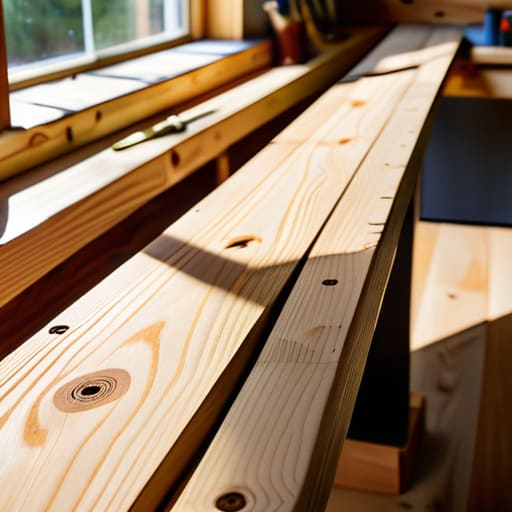
When you’re standing in the lumber aisle, it can feel a bit overwhelming. Do you go for the heavy-duty oak or something more approachable? If you’re looking for the best wood for office desks, I always suggest starting with something like pine or birch. They are incredibly forgiving for those just starting out with woodworking tools for beginners, and they bring a warm, natural energy to your workspace that can actually lower your cortisol levels during a hectic Monday.
But remember, the material you choose isn't just about structural integrity; it’s about the tactile experience of your workday. If you’re aiming for those sleek, minimalist desk design ideas we’ve talked about, a lighter wood with a fine grain can make your sanctuary feel airy and expansive. On the flip side, if you want a piece that feels like a grounded anchor in your home, a darker walnut provides that sense of stability. Think of your desk as more than just a surface—it’s the foundation of your daily ritual. Choose a wood that makes you feel inspired to create the moment you sit down.
Minimalist Desk Design Ideas to Foster Daily Balance
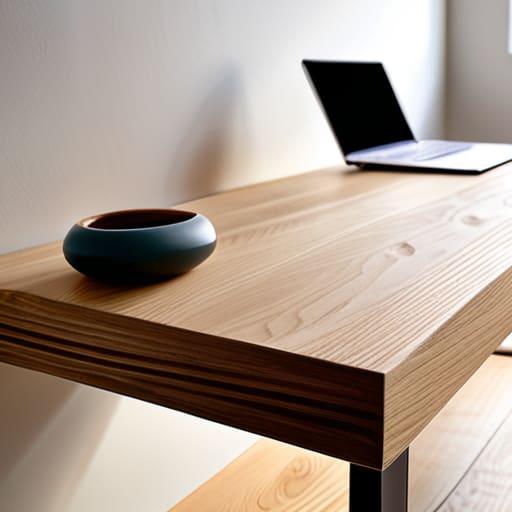
When we talk about minimalism, I’m not just talking about having an empty surface; I’m talking about creating a visual exhale. When your workspace is cluttered, your mind usually follows suit, making it nearly impossible to find that flow state we all crave. One of my favorite minimalist desk design ideas is to focus on clean lines and hidden cable management. If you're building your own piece, consider integrating a small groove or a discrete channel underneath the tabletop. This keeps those messy cords out of sight, allowing you to focus on your deep work rather than the chaos of tangled wires.
Another way to achieve that airy, balanced feel is by experimenting with different support styles. For instance, building a desk with trestle legs is a fantastic way to add architectural interest without the heavy, imposing feel of a solid pedestal base. Trestles provide a sense of lightness and movement that can actually make a small room feel much larger. Remember, your desk shouldn't just be a place where you grind through tasks; it should be a sanctuary that supports your mental clarity and fuels your productivity.
5 Pro-Tips to Build a Desk That Actually Fuels Your Hustle
- Measure twice, breathe once! Before you even touch a saw, take a moment to measure your space and your body. A desk that's too high or too low is a recipe for back pain, and we're all about that mindful, pain-free posture here.
- Invest in "hidden" stability. There’s nothing more distracting than a wobbly desk when you're trying to nail a big presentation. Use heavy-duty brackets or high-quality joinery to ensure your workspace feels as solid as your career goals.
- Don't forget the "Cable Choreography." I know, it sounds silly, but a tangle of wires is a total mental energy drain. Plan your cord management—think grommets or under-desk trays—while you're building so your workspace stays as clear as your mind.
- Think about your "Reach Zone." While you're designing the layout, imagine your daily flow. You want your most-used items within easy reach so you aren't constantly breaking your focus by stretching or searching.
- Personalize with intention. As you finish the build, don't just slap a laptop down. Leave a little intentional space for a candle, a plant, or your favorite yoga journal. Your desk should be a tool for work, but also a sanctuary for your soul.
Designing for Success: My Top Three Takeaways
Remember that your desk is more than just furniture; it’s an investment in your daily mental clarity and professional well-being.
Don't get caught up in perfectionism—the best workspace is one that evolves with your career and honors your need for both focus and flow.
Balance your aesthetic with functionality by choosing materials and layouts that reduce stress rather than adding to your mental clutter.
More Than Just Furniture
"Building your desk isn't just about measuring wood and tightening screws; it's about intentionally constructing the foundation where your biggest ideas take flight and your daily peace begins."
Lena Anderson
Creating Your Foundation for Success

As we wrap up this journey of sawdust and intention, I hope you feel more prepared to tackle the build. We’ve covered everything from selecting the perfect, soul-soothing wood to embracing a minimalist design that keeps your mental clutter at bay. Building this desk isn't just a DIY weekend project; it’s a way to curate a space that reflects your values. By focusing on quality materials and a layout that fosters focus, you aren't just assembling furniture—you are investing in your daily environment. Remember, the goal isn't to create a showroom-perfect piece, but to craft a functional sanctuary that supports your unique workflow and keeps you grounded throughout the busy workweek.
At the end of the day, whether you’re a seasoned carpenter or a total novice, the real magic lies in the intention you pour into your workspace. As you tighten that final screw and clear off the stray shavings, take a moment to breathe and appreciate what you've created with your own two hands. This desk will witness your biggest breakthroughs, your late-night brainstorms, and perhaps even a few much-needed moments of mindfulness. Use it as a launchpad for your most ambitious goals, but never forget to find joy in the process. You’ve built more than just a desk; you’ve built a foundation for a balanced life.
Frequently Asked Questions
How do I make sure my DIY desk is sturdy enough to handle all my heavy monitors and books without wobbling?
Nothing kills my zen faster than a wobbling monitor! To keep things steady, focus on the "bones" of your desk. I always recommend using heavy-duty steel legs or a solid wood frame rather than thin, lightweight alternatives. If you're using a DIY tabletop, ensure it’s thick enough—at least an inch—to prevent bowing under those heavy books. And pro tip? Add some cross-bracing or a sturdy back panel. It’s the structural equivalent of a solid foundation in your finances: it keeps everything from crashing down!
What are some budget-friendly ways to finish the wood so it looks professional but doesn't break the bank?
You don’t need a designer budget to get that high-end, polished look! I love using a simple wipe-on polyurethane; it’s super forgiving for beginners and gives a gorgeous, professional sheen without the pricey spray equipment. If you want something even more budget-friendly, a good quality wood wax or oil can work wonders to nourish the grain. It’s all about that smooth finish that makes you feel calm and ready to conquer your goals!
How can I incorporate cable management into my build to keep my workspace from becoming a stressful tangle of wires?
Let’s be real: a chaotic web of tangled wires is a total vibe-killer for your focus. To keep that zen feeling, I swear by under-desk cable trays or even simple adhesive clips to tuck everything away. If you're feeling extra, a cable management box is a lifesaver for hiding power strips! Think of it like decluttering your mind—once the visual noise is gone, you can finally breathe and actually get to work.