Practical Ways to Reduce Your Screen Time
 Lena Anderson
I was sitting on my yoga mat last Tuesday, trying to find my center, when I realized my phone was vibrating against the hardwood floor like a frantic, digital heartbeat. I hadn't even checked it yet, but my brain was already spiraling into a cocktail of unread Slack messages and Instagram notifications. It hit me that I wasn't actually present in my own life; I was just a spectator to a glowing rectangle. We’ve all been told that the secret to how to reduce screen time is some expensive, high-tech digital detox retreat or a complex app that tracks every single blink, but honestly? That’s just more screen time in disguise.
I’m not here to sell you on a lifestyle overhaul that feels like a second job. Instead, I want to share the real-world, messy strategies I’ve used to reclaim my focus while navigating a high-pressure career in NYC. I’m going to walk you through practical, no-nonsense shifts that actually stick, helping you find that sweet spot between staying connected and reclaiming your mental space. No fluff, no expensive gadgets—just honest ways to live more and scroll less.
Table of Contents
- Identifying the Signs Recognizing Subtle Smartphone Addiction Symptoms
- Creating Space for Joy Through Mindful Technology Use
- My Top 5 "No-Nonsense" Strategies to Reclaim Your Focus
- My Top Three Rules for Reclaiming Your Time
- The Real Cost of the Scroll
- Finding Your Rhythm in a Digital World
- Frequently Asked Questions
Identifying the Signs Recognizing Subtle Smartphone Addiction Symptoms
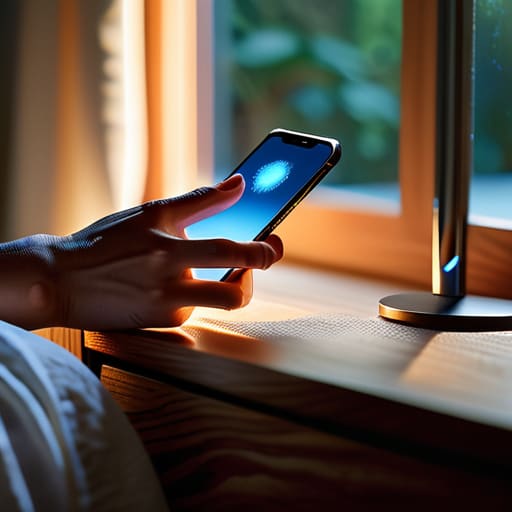
Let’s be real for a second: most of us don't wake up one day and decide, "Hey, I think I'm addicted to my phone!" It’s much more subtle than that. It starts with those tiny, almost unconscious habits—like reaching for your device the very second you wake up, even before you’ve had a sip of water, or feeling a phantom vibration in your pocket when there isn't even a notification. If you find yourself scrolling through social media during a conversation or feeling a sudden spike of anxiety when your battery hits 5%, you might be experiencing some early smartphone addiction symptoms.
It’s also about how your body reacts when you finally do put the phone down. Have you ever noticed that weird, restless feeling in your brain late at night, or found yourself tossing and turning because your eyes feel wired? That’s often the blue light impact on sleep playing havoc with your circadian rhythm. Recognizing these little red flags is the first step toward reclaiming your focus. It isn't about being "anti-tech"; it's about noticing when the tool is starting to use you, rather than the other way around.
Creating Space for Joy Through Mindful Technology Use

Once you’ve recognized those subtle signs of being tethered to your device, the next step isn't about punishment—it’s about intentionality. I always tell my coaching clients that reclaiming your time isn't about living like a hermit; it’s about practicing mindful technology use so your phone serves you, rather than the other way around. Think of it like setting boundaries with a high-maintenance friend. You wouldn't let someone interrupt your dinner every five minutes, so why let your notifications do it? Start by creating "tech-free zones" in your home, like the dining table or your bedroom, to ensure your personal space remains a sanctuary for connection and rest.
Integrating small, sustainable healthy tech habits can make a world of difference in how you feel at the end of the day. For instance, I’ve found that setting a "digital sunset" an hour before bed helps mitigate the blue light impact on sleep, allowing your brain to actually wind down. Instead of scrolling through endless feeds, try replacing that habit with a few minutes of yoga or even just sitting with your thoughts. It’s those tiny, intentional shifts that ultimately create the room for real joy to flourish.
My Top 5 "No-Nonsense" Strategies to Reclaim Your Focus
- First, let’s talk about those pesky notifications. Go into your settings right now and turn off everything that isn't from a real human being. You don't need a buzz in your pocket every time a random app wants to tell you there's a sale on socks. If it’s not a text or a call, it can wait until you actually choose to check it.
- Try the "Phone-Free Zones" rule. I started doing this in my kitchen and my bedroom, and let me tell you, it’s a game-changer. By making the dining table and the bed tech-free sanctuaries, you’re forcing your brain to actually engage with your food and your rest, rather than scrolling through LinkedIn while you're supposed to be winding down.
- Use the "Grey Scale" trick to make your phone less addictive. Most of our apps are designed like digital slot machines, using bright, dopamine-inducing colors to keep us hooked. If you switch your screen to grayscale, suddenly Instagram looks a lot less exciting and a lot more like a boring newspaper. It’s much easier to put down a grey phone than a neon one!
- Audit your "Scroll Holes." We all have them—that one app that sucks us in for forty-five minutes without us even realizing it. Identify your biggest culprit and set a hard time limit using your phone's built-in screen time tools. When that timer hits, treat it like a gentle nudge from a friend telling you to go take a walk or stretch.
- Replace the "Micro-Scroll" with a "Micro-Moment." Usually, when we reach for our phones, it's because we're bored or feeling a tiny bit of anxiety. Instead of reflexively grabbing the device, try taking three deep, mindful breaths or just looking out the window for a minute. It sounds cheesy, I know, but it helps you break that automatic loop and brings you back to the present.
My Top Three Rules for Reclaiming Your Time
Stop treating your phone like an extra limb; start setting hard boundaries with notifications so you can actually focus on the person sitting right in front of you.
Use your screen time data as a reality check, not a reason to feel guilty—use those insights to pivot toward more meaningful, offline hobbies that actually recharge your battery.
Build "digital-free sanctuaries" in your daily routine, like no phones at the dinner table or during your morning yoga, to protect your mental peace and prevent burnout.
The Real Cost of the Scroll
"We spend so much time scrolling through the highlight reels of strangers that we accidentally skip the best parts of our own lives. Reducing your screen time isn't about punishing yourself; it's about reclaiming the mental bandwidth you need to actually experience your own success."
Lena Anderson
Finding Your Rhythm in a Digital World

At the end of the day, reducing your screen time isn't about punishing yourself or living like a hermit in the woods; it’s about making intentional choices so technology serves you, rather than the other way around. We’ve talked about recognizing those subtle, sneaky signs of smartphone addiction and, more importantly, how to reclaim your presence by creating intentional pockets of joy throughout your day. Whether it’s setting strict boundaries with your notifications or practicing a little mindfulness before you dive into your inbox, every small step counts toward building a more balanced lifestyle. Remember, the goal isn't perfection—it's about awareness and progress.
As you move forward, I want you to remember that your life is happening right now, in the physical world, not in the glow of a five-inch screen. Don't let the endless scroll rob you of the moments that actually make your heart sing—the quiet morning coffee, a deep conversation with a friend, or even just a few minutes of stillness on your yoga mat. You deserve a life that feels deeply lived, not just digitally documented. So, put the phone down, take a deep breath, and go out and embrace the beautiful, uncurated reality waiting for you outside the screen. You've got this!
Frequently Asked Questions
How can I stay productive at work without feeling like I'm constantly missing out on important notifications?
I totally get it—that "ping" anxiety is real! To stay productive without the FOMO, try the "Batching Method." Instead of letting every notification hijack your focus, schedule specific "check-in" windows every hour or two. Turn off non-essential alerts and use "Do Not Disturb" during deep work sessions. Think of it like a scheduled meeting with your inbox; you aren't ignoring the world, you're just choosing when to engage so you can actually excel.
I've tried deleting social media apps before, but I always end up reinstalling them—how do I make these changes actually stick?
Oh, I have been there! Honestly, deleting the apps is just a temporary band-aid if we don't address the "why" behind the scroll. Instead of a total blackout, try the "friction method." Move those addictive apps off your home screen and into a folder three pages deep. It breaks that mindless muscle memory. Think of it like training for a marathon—we’re building new habits, not just running away from old ones!
Is it possible to reduce my screen time without feeling socially isolated from my friends and family?
Oh, I hear you! That fear of missing out is real, and honestly, it’s what keeps most of us tethered to our devices. But here’s the secret: reducing screen time isn't about disappearing; it’s about upgrading your connections. Instead of endless scrolling through their Instagram stories, try scheduling a quick coffee date or a real phone call. You’re trading passive, shallow consumption for intentional, deep presence. Quality over quantity, always!