A Beginner Home Workout You Can Do in Your Living Room
 Lena Anderson
I remember sitting on my living room floor three years ago, staring at a $200 set of dumbbells I’d bought on a whim, feeling absolutely paralyzed by the sheer pressure to perform. The internet was telling me that a successful home workout for beginners required a dedicated gym room, expensive smart-tech gear, and a level of discipline that felt impossible after a ten-hour workday in corporate finance. It felt like if I wasn't sweating through a high-intensity bootcamp in my designer leggings, I was somehow failing at the whole "wellness" thing.
But here’s the truth: you don't need a fancy studio or a mountain of equipment to reclaim your energy. I’m not here to sell you on a lifestyle that requires more "hustle" than your actual job; I’m here to help you find a rhythm that actually fits into your real, messy, beautiful life. In this guide, I’m stripping away the fluff and giving you a practical, no-nonsense roadmap for starting a home workout for beginners that focuses on sustainable movement rather than perfection. We’re going to build a practice that feeds your soul and fuels your career, one small step at a time.
Table of Contents
- Finding Joy Through Simple Bodyweight Exercises for Beginners
- Nurturing Strength With Low Impact Home Exercises
- My Five Golden Rules for Making Fitness Fit Your Life (Not the Other Way Around)
- Small Steps, Big Wins: My Top Takeaways for Your Journey
- [Redefining the Starting Line]
- Finding Your Flow Beyond the Mat
- Frequently Asked Questions
Finding Joy Through Simple Bodyweight Exercises for Beginners
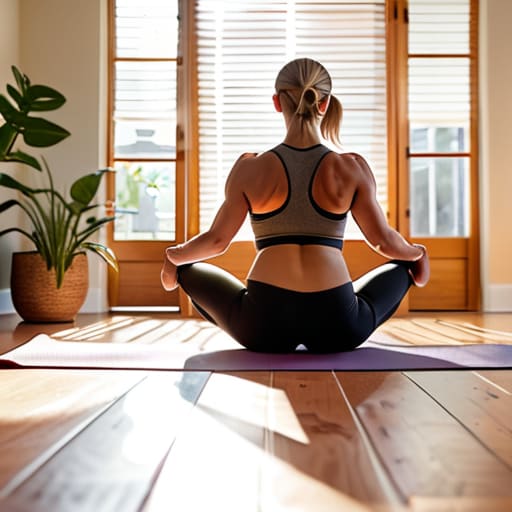
When I first moved to the hustle of NYC, I used to think that if I wasn't at a high-end gym sweating through a grueling HIIT session, I wasn't "really" working out. But honestly? That mindset is a one-way ticket to burnout. I’ve learned that the real magic happens when you stop treating movement like a chore and start seeing it as a way to reconnect with yourself. For anyone just starting out, focusing on bodyweight exercises for beginners is the ultimate game-changer. You don't need fancy equipment or a massive studio space; you just need a little bit of floor space and the willingness to move at your own pace.
Think of things like squats, lunges, or even simple planks as a way to build a foundation for your physical and mental resilience. Incorporating a few low impact home exercises into your morning can actually act as a moving meditation, much like my yoga practice. Instead of counting every single calorie, try to focus on how much stronger and more centered you feel after each session. It’s about building a sustainable habit that feeds your soul, not just your muscles.
Nurturing Strength With Low Impact Home Exercises
When we talk about building a foundation, I often tell my clients that it’s a lot like managing a retirement fund: you don't need to make massive, risky moves right away to see long-term gains. You just need consistency. This is where low impact home exercises become your best friend. If you're worried about jumping around or feeling like you're constantly fighting against gravity, take a breath. Movements like bird-dogs, glute bridges, or controlled squats allow you to build functional muscle without putting unnecessary stress on your joints. It’s about working with your body, not against it.
Integrating these moves into a beginner strength training at home routine doesn't require a room full of heavy dumbbells or a fancy gym membership. Instead, focus on the mind-muscle connection—a little trick I picked up from my yoga practice. When you're performing a slow, controlled movement, you aren't just burning calories; you're teaching your nervous system how to support your posture during those long hours at your desk. Think of it as an investment in your physical longevity, ensuring you have the energy to thrive both in the boardroom and in your personal life.
My Five Golden Rules for Making Fitness Fit Your Life (Not the Other Way Around)
- Start small to stay consistent. I’ve seen so many high-achievers crash and burn because they tried to go from zero to a sixty-minute HIIT session overnight. Treat your workout like a new project at work—start with a pilot program of just 15 minutes. It’s much easier to scale up once you’ve built the habit.
- Create a "Sanctuary Space." You don't need a home gym that looks like a CrossFit box, but you do need a dedicated corner. Whether it's just a yoga mat in your living room or a specific spot in your bedroom, having a physical cue tells your brain, "Okay, it’s time to shift from work mode to me mode."
- Listen to your body, not just your timer. In my corporate finance days, I thought pushing through pain was a badge of honor. Spoilers: it isn't. If your joints are aching or you’re feeling burnt out, swap that intense cardio for some gentle stretching. Fitness should fuel your energy, not drain your bank account of physical well-being.
- Curate your vibe. Since I love a good melody (ask me about my 'Compound Interest Jingle' sometime!), I swear by a killer playlist. Music is the ultimate hack for motivation. If you're feeling low-energy, pick something upbeat; if you're stressed, go for something lo-fi and calming. Match the tempo to your mood.
- Forgive the "off" days. Life happens. A deadline might run late, or you might just be plain exhausted. If you miss a day, don't spiral into a "well, I ruined the whole week" mindset. Just show up tomorrow. Consistency isn't about perfection; it's about the grace you show yourself on the way back to your routine.
Small Steps, Big Wins: My Top Takeaways for Your Journey
Remember that consistency beats intensity every single time; it's much better to move your body for fifteen minutes a day than to burn yourself out with a two-hour session you'll never repeat.
Listen to your body's wisdom like you would a trusted colleague—if you're feeling depleted, opt for those low-impact movements to nurture your strength without crashing your mental battery.
View your home workout not as another "to-do" on a stressful list, but as a non-negotiable appointment with yourself to reclaim your energy and find your center.
[Redefining the Starting Line]
"Don't look at a home workout as another item to check off a stressful to-do list; look at it as a tiny, sacred appointment with yourself to reclaim your energy and find your center before the world starts asking for your time."
Lena Anderson
Finding Your Flow Beyond the Mat
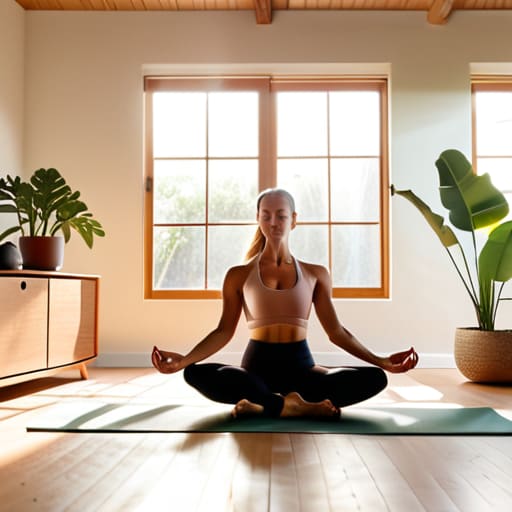
As we wrap up this journey into the world of home fitness, remember that it’s never about perfection or having a gym-sized living room. We’ve explored how simple bodyweight movements can spark joy and how low-impact exercises allow you to build strength without burning out. Whether you’re opting for a quick set of squats between Zoom calls or a gentle flow to decompress after a long day of spreadsheets, the goal is consistency over intensity. By integrating these small, manageable movements into your daily routine, you aren't just building muscle; you are investing in your most valuable asset—your own well-being. It’s about creating a sustainable rhythm that fits your unique lifestyle, rather than trying to force a lifestyle that doesn't fit you.
At the end of the day, I want you to view your movement practice as an act of self-care, not another item on your overwhelming to-do list. Just like managing a complex investment portfolio, fitness is a long game that requires patience, discipline, and a lot of grace for yourself when things don't go exactly to plan. Don't get discouraged if you miss a day; just show up again tomorrow. You deserve to feel strong, energized, and balanced in every aspect of your life. Remember, true success is found in the small, intentional steps you take toward a healthier, more vibrant version of yourself. You’ve got this!
Frequently Asked Questions
How do I know if I'm actually doing these moves correctly without a trainer watching me?
I totally get that anxiety—it’s like trying to balance a budget without a spreadsheet! Honestly, the best way to check your form is to use your phone. Prop it up and record a quick video of yourself; when you play it back, you’ll immediately spot if your back is arching or your knees are wobbling. Also, listen to your body. If a move feels "sharp" rather than "challenging," stop and reset. Trust your intuition!
I’m already feeling so drained from my 9-to-5; how can I stay motivated to work out when my energy is at zero?
I hear you, and honestly? I’ve been there. When you’ve been staring at spreadsheets all day, the last thing you want is a grueling HIIT session. My advice: stop aiming for "beast mode" and start aiming for "movement mode." On those zero-energy days, swap the heavy lifting for ten minutes of gentle yoga or a slow stretch. Think of it as recharging your battery rather than draining it further. Movement should fuel your life, not just tax it!
Do I really need to invest in fancy equipment right away, or can I genuinely see results with just what I have in my living room?
Honestly? Put that credit card away! I see so many people stall their progress because they’re waiting for the "perfect" home gym setup. Here’s the truth from both a coach and a finance nerd: results come from consistency, not expensive dumbbells. You can absolutely transform your body using your own weight or even a couple of heavy soup cans. Start with what you have, build the habit first, and let your savings grow while your strength does, too!