Home Lighting Tips That Instantly Improve Any Room
 Lena Anderson
Have you ever sat down at your desk after a grueling ten-hour workday, only to realize your apartment feels less like a sanctuary and more like a dentist’s waiting room? I’ve been there. Back when I was grinding through my corporate finance days in NYC, I used to think that if I just worked harder under those harsh, buzzing overhead fluorescents, I’d somehow become more productive. But all I actually achieved was a massive tension headache and a total loss of my evening zen. We’ve been sold this lie that high-end designer fixtures are the only way to fix a space, but honestly, most of those expensive home lighting tips you see in glossy magazines completely ignore how light actually affects your nervous system.
I’m not here to tell you to spend five figures on a chandelier you'll never look at. Instead, I want to share the practical, budget-friendly strategies I’ve learned from years of balancing a high-pressure career with my love for mindfulness. I promise to give you real, no-nonsense advice on how to layer your light to support your focus during the day and your relaxation at night. Let’s turn your living space into a place that actually helps you recharge, rather than just another thing on your to-do list.
Table of Contents
- Mastering Layered Lighting Techniques for Daily Joy
- Finding Harmony With Warm vs Cool Light Temperature
- Illuminating Your Path to Peace: 5 Lighting Hacks for a Balanced Home
- Lighting Your Way to a Balanced Life
- Lighting Your Way to Balance
- Illuminating Your Path to a Balanced Home
- Frequently Asked Questions
Mastering Layered Lighting Techniques for Daily Joy
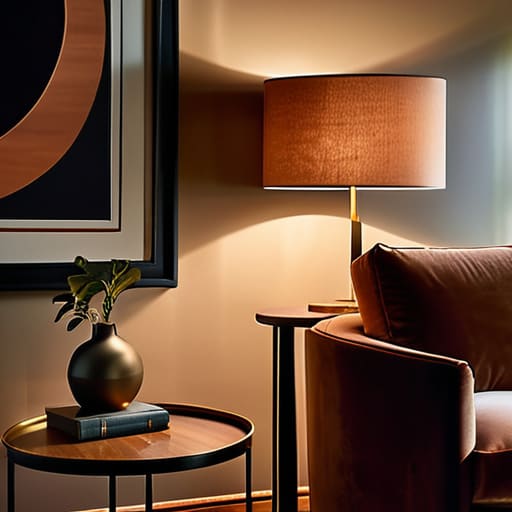
Think of your home like a well-rounded career: you can’t just rely on one single skill to get by. If you only use one bright overhead light, your space will feel flat and uninspiring—kind of like a job with no room for growth! To truly transform your environment, you need to embrace layered lighting techniques. This means mixing different sources to create depth. I love starting with soft ambient lighting solutions to set a general mood, then adding specific layers that serve a purpose, much like how we balance our professional goals with personal wellness.
When it comes to your productivity zones, don't underestimate the power of targeted task lighting for home office setups. If you're grinding through a budget report or prepping for a big presentation, you need clarity without the eye strain. However, once the laptop closes, that's when the magic happens. I always suggest installing a few dimmers; the dimmer switch benefits are endless, allowing you to transition from "boss mode" to "zen mode" instantly. It’s all about creating a space that supports every version of you.
Finding Harmony With Warm vs Cool Light Temperature
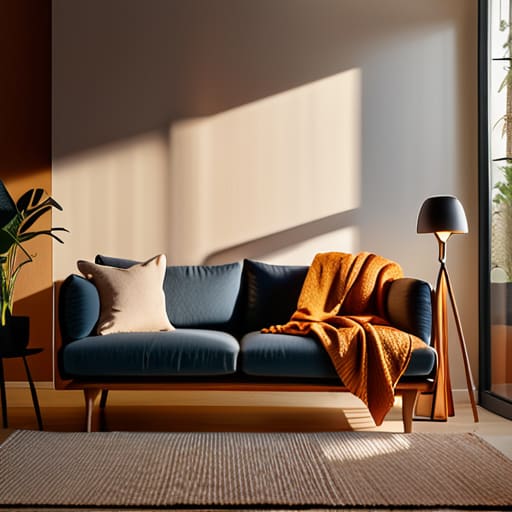
Now, let’s talk about something that can truly shift the energy of your space: the science of color temperature. I often tell my clients that just as we need to transition our mindset from "high-performance mode" to "relaxation mode," our homes need that same emotional cue. Understanding warm vs cool light temperature is a total game-changer for your circadian rhythm. Think of warm, golden tones as your evening wind-down ritual—perfect for the living room or bedroom to signal to your brain that it's time to unplug.
On the flip side, if you're tackling a big project or catching up on emails, you’ll want those crisp, bluish tones. I highly recommend investing in specific task lighting for home office setups to keep your focus sharp and your eyes from straining during those late-night spreadsheets. It’s all about creating a visual rhythm that supports your productivity without sacrificing your peace. Finding that sweet spot between stimulating light and soothing glow is where the real magic happens for your mental well-being.
Illuminating Your Path to Peace: 5 Lighting Hacks for a Balanced Home
- Don't underestimate the power of a dimmer switch; being able to dial down the intensity as you transition from "hustle mode" to "zen mode" is a total game-changer for your evening wind-down.
- Create a dedicated "focus zone" with task lighting, like a sleek desk lamp, so you can crush your professional goals without straining your eyes or letting the light bleed into your relaxation spaces.
- Incorporate natural light whenever possible—opening those curtains isn't just about seeing outside, it's about syncing your circadian rhythm with the sun to keep your energy levels steady.
- Use accent lighting to highlight the things that bring you joy, whether it's a beautiful piece of art or a cozy reading nook, turning your home into a curated sanctuary rather than just a place to sleep.
- Get smart with your tech by using automated lighting schedules; having your lights gradually dim as bedtime approaches is like a gentle, automated nudge toward mindfulness and better sleep.
Lighting Your Way to a Balanced Life
Think of your lighting in layers, just like you do with your career goals; use task lighting for focus and ambient light to help your mind transition into relaxation mode.
Don't let "cool" office-style light bleed into your evening wind-down; choosing warmer tones is a simple, non-negotiable way to signal to your brain that it's time to decompress.
Remember that your home environment is an investment in your mental well-being, so treat your lighting setup with the same intentionality you'd give to your financial planning.
Lighting Your Way to Balance
"Think of your home lighting like your career strategy: you need that bright, focused energy to crush your goals during the day, but you absolutely must know how to dim the lights and soften the edges when it's time to recharge your soul."
Lena Anderson
Illuminating Your Path to a Balanced Home
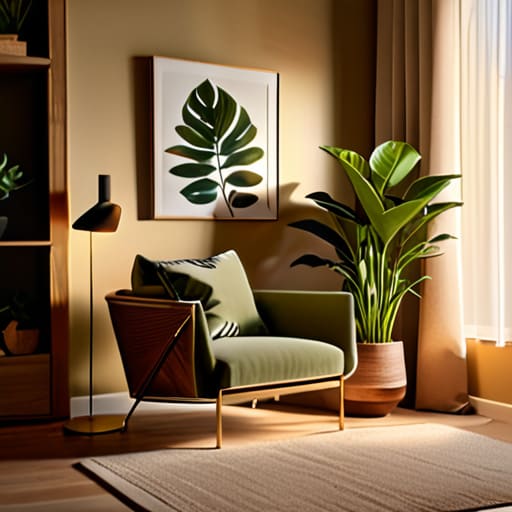
As we wrap up our little lighting tour, remember that creating the perfect atmosphere isn't about buying every expensive lamp on the market; it’s about intentionality. We’ve explored how mastering layered lighting can transform a room from a sterile workspace into a sanctuary, and how choosing the right color temperature can drastically shift your mood from high-energy focus to deep, restorative relaxation. By blending ambient, task, and accent lighting, you aren't just decorating a room—you are actually designing an environment that supports your mental well-being and daily rhythms.
At the end of the day, whether you’re crunching numbers for a big presentation or unrolling your yoga mat for a sunset flow, your home should be your greatest ally. Don't let the pursuit of a "perfect" aesthetic overshadow the importance of how a space makes you feel inside. Think of your lighting as the background music to your life; it should harmonize with your goals and your need for rest. Go ahead, dim those lights, find your glow, and remember that true success starts with how you care for yourself in the spaces you call home.
Frequently Asked Questions
How can I use smart lighting to help me transition from a high-stress workday into my evening mindfulness routine?
Think of smart lighting as your personal "transition ritual" on autopilot. I love using programmable scenes to signal my brain that the corporate grind is officially over. Set your lights to slowly dim and shift to a soft, amber glow right as you finish your last email. It’s like a visual exhale! This gentle shift helps lower cortisol, making it so much easier to flow straight from your desk into your yoga mat.
Is it possible to upgrade my home's lighting on a tight budget without making my space look cheap or cluttered?
Oh, I hear you! When I first moved to NYC, my tiny apartment felt like a fluorescent interrogation room, and my budget was... well, let's just say it wasn't "Wall Street" level. You absolutely can upgrade without the clutter! Skip the expensive renovations and focus on "smart" swaps: replace harsh bulbs with warm LEDs and add a few thrifted lamps to create those cozy layers we talked about. It’s about intentionality, not a massive price tag!
How do I balance functional task lighting for my home office with the cozy, relaxing vibe I want for my living area?
Think of your home as having two different "work modes." For your office, lean into functional task lighting—a bright, focused desk lamp is your best friend to keep that brain sharp. But once you close the laptop, it’s time to shift gears! Transition to warm, dimmable floor lamps in your living area. It’s all about that mental pivot; switching from "productivity light" to "relaxation glow" helps your brain signal that the workday is officially over.