How to Clean Up Your Digital Life in a Weekend
 Lena Anderson
I remember sitting on my yoga mat last Tuesday, trying to find my center, when my phone buzzed with a notification for a newsletter I haven't opened since 2019. In that moment, the mental clutter felt more suffocating than a cramped subway car during rush hour. We’ve been told that staying "connected" is the key to career success, but honestly? Most of that digital noise is just expensive static draining your focus. If you're feeling paralyzed by a mountain of unread emails and a desktop that looks like a digital junk drawer, you aren't lazy—you're just overstimulated. Learning how to clean up your digital life shouldn't feel like a second full-time job or some complex technical overhaul that requires a computer science degree.
I’m not here to sell you on some fancy, subscription-based productivity app or a complicated "system" that takes weeks to implement. Instead, I want to share the practical, no-nonsense strategies I used to reclaim my headspace while navigating the high-pressure world of corporate finance. We’re going to tackle this step-by-step, focusing on intentionality rather than just deleting files. My goal is to help you clear the digital fog so you can finally find your focus and actually enjoy your downtime without that nagging sense of overwhelm.
Table of Contents
Managing Digital Overwhelm to Reclaim Your Joy
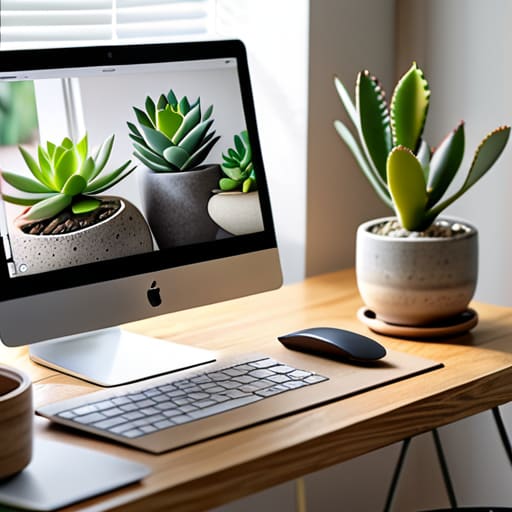
We’ve all been there: you sit down to start your workday, but before you even touch your first project, you’re drowning in a sea of unread notifications and chaotic desktop icons. It feels heavy, doesn't it? This isn't just about being "disorganized"; it’s a genuine drain on your mental energy. When I first moved to NYC, I used to think my constant multitasking was a badge of honor, but I eventually realized I was just running on empty. Managing digital overwhelm isn't about achieving some impossible state of perfection; it’s about creating enough breathing room so that technology serves you, rather than the other way around.
Start by tackling the small wins to build momentum. Instead of staring at a mountain of data, try a simple email inbox zero strategy by unsubscribing from those retail newsletters you haven't opened in six months. It’s like clearing the physical clutter off your desk—suddenly, you can actually see the surface again. By setting small, intentional boundaries, you stop reacting to every ping and start reclaiming your focus. Trust me, your nervous system will thank you.
Email Inbox Zero Strategy for a Calmer Mind
Let’s be real: staring at an unread count in the thousands feels like a physical weight on your chest. It’s that nagging sense of "I'll get to it later" that follows you right into your yoga practice or your dinner plans. To combat this, I swear by a simplified email inbox zero strategy that isn't about being a productivity robot, but about reclaiming your mental bandwidth. Instead of trying to tackle every single thread from 2019, I recommend a "purge and pivot" approach. Archive anything older than three months into a dedicated folder; if it was truly urgent, they’ll find you again.
Once you’ve cleared the ancient history, it’s time to set up some boundaries. I love using filters to automatically shunt newsletters and social notifications into a "Read Later" folder. This is a game-changer for minimizing screen time during your most focused work hours. By automating the noise, you stop reacting to every little ping and start choosing when you actually want to engage. Remember, your inbox should be a tool that serves you, not a digital boss that dictates your mood.
5 Ways to Stop Your Devices from Stealing Your Zen
- Audit your app graveyard. We’ve all been there—that one fitness app you used once in 2019 or that random photo editor taking up space. If you haven't opened it in three months, hit delete. It’s not just about storage; it’s about removing the visual noise that triggers "I should be doing this" guilt every time you unlock your phone.
- Tame the notification monster. I used to think every "ping" was urgent, but most of them are just digital junk food. Go into your settings and turn off everything that isn't from a real human being. If it’s a sale notification or a social media "like," it can wait. Your focus is way too valuable to be traded for a red bubble on your screen.
- Curate your social feed like a high-end gallery. If following a certain influencer or news outlet leaves you feeling anxious, inadequate, or just plain drained, it’s time to hit unfollow. Your digital environment should inspire you or inform you, not make you feel like you're constantly falling behind in a race you never signed up for.
- Organize your "Digital Desktop" (and your actual one!). A cluttered desktop with fifty random files named "Final_v2_REAL_FINAL" is the digital equivalent of a messy desk—it creates subconscious stress. Spend ten minutes at the end of each week filing things into folders or tossing them in the trash. You’ll thank me when you start your Monday morning with a clean slate.
- Set "Digital Sunset" boundaries. This is my favorite mindfulness hack. Pick a time—say, 8:00 PM—where the devices go to sleep. Charging your phone in another room is a game-changer. It prevents that late-night doomscrolling loop and gives your brain the signal that the workday (and the digital world) is officially closed for business.
Small Shifts for a Big Mental Reset
Stop treating your digital space like a junk drawer; treat it like your mental sanctuary by setting firm boundaries around when you engage with notifications.
Remember that "Inbox Zero" isn't about being a perfectionist, it's about creating a workflow that serves your peace of mind rather than stealing your focus.
Real productivity isn't about doing more—it's about clearing away the digital noise so you actually have the headspace to enjoy the life you're working so hard to build.
Finding Peace in the Pixels
"Cleaning up your digital life isn't just about deleting old files or unsubscribing from junk; it’s about setting boundaries with your technology so that your devices serve your life, rather than your life serving your devices."
Lena Anderson
Reclaiming Your Time and Your Peace

At the end of the day, cleaning up your digital life isn't about achieving some impossible standard of perfection or having a perfectly color-coded calendar. It’s about the practical steps we’ve discussed—tackling that overwhelming digital clutter, implementing a sustainable inbox strategy, and setting those much-needed boundaries with your devices. When you systematically clear out the noise, you aren't just organizing files; you are reclaiming your mental bandwidth and creating space for what actually matters. Remember, every unsubscribed newsletter and every deleted app is a tiny victory for your future, more focused self.
As you move forward, try to view your digital space as an extension of your physical home. You wouldn't let trash pile up on your kitchen counter for weeks, so don't let digital chaos pile up in your mind. Use these tools to build a life where technology serves you, rather than the other way around. You deserve a career that thrives and a personal life that feels truly present. So, take a deep breath, close those twenty open tabs, and remember that true success is found in the quiet moments between the pings and notifications. You've got this!
Frequently Asked Questions
I've already tackled my inbox, but what about all those thousands of unorganized photos and files cluttering up my cloud storage?
Ugh, the digital photo hoard! I totally get it—it’s like a digital junk drawer that follows you everywhere. Honestly, looking at 5,000 blurry screenshots can feel more stressful than a quarterly budget review. My trick? Don't try to do it all at once. Start with a "one-folder-a-day" rule. Sort by year, delete the duplicates, and move the gems to a dedicated space. Think of it as clearing mental clutter so your memories can actually breathe!
How do I stay on top of this without it becoming another overwhelming chore on my to-do list?
I totally hear you—the last thing we need is to turn "wellness" into another item on your stressful to-do list! My secret? Stop aiming for perfection and start aiming for "good enough." Set a timer for just fifteen minutes a day, or pick one specific category—like just your desktop icons—to tackle once a week. Think of it like a mini yoga flow for your phone: quick, intentional, and totally manageable.
Is there a way to set digital boundaries so I don't feel the urge to check my notifications the second I finish my morning yoga?
Oh, I feel this one in my soul! There is nothing quite like a peaceful flow being shattered by a sudden "ping." To protect that post-yoga glow, try setting "Do Not Disturb" schedules on your phone so notifications stay silent until you’ve actually had your coffee. You can also move those addictive apps off your home screen. Think of it as a digital boundary for your mental sanctuary—your peace is worth more than a notification!