How to Create a Minimalist Home Without Feeling Empty
 Lena Anderson
I remember sitting on the floor of my tiny, overpriced Manhattan apartment three years ago, surrounded by half-unpacked moving boxes and a mountain of "essential" decor that I didn't even like. I was working sixty hours a week in corporate finance, trying to build a life that looked successful on paper, but my home felt like a suffocating warehouse for things I didn't need. I realized then that most of the advice you see online about minimalist home tips is totally disconnected from reality; it's all about sterile, white-walled showrooms that look beautiful but feel completely lifeless.
I’m not here to tell you to throw away your favorite books or live in a cold, empty box just to satisfy an aesthetic. My goal is to show you how to curate a space that actually supports your mental clarity and your bank account. I’m going to share my most practical, no-nonsense minimalist home tips—the kind that focus on intentionality and ease rather than deprivation. We’re going to reclaim your space so you can finally stop managing your stuff and start actually living your life.
Table of Contents
- Mastering Decluttering Mindset and Habits for Lasting Peace
- Creating Intentional Living Spaces That Nurture Your Soul
- Small Shifts, Big Impact: My Top 5 Minimalist Hacks for a Balanced Home
- Finding Your Flow: The Heart of a Minimalist Home
- ## The True ROI of Less
- Finding Your Flow in a Simplified Space
- Frequently Asked Questions
Mastering Decluttering Mindset and Habits for Lasting Peace
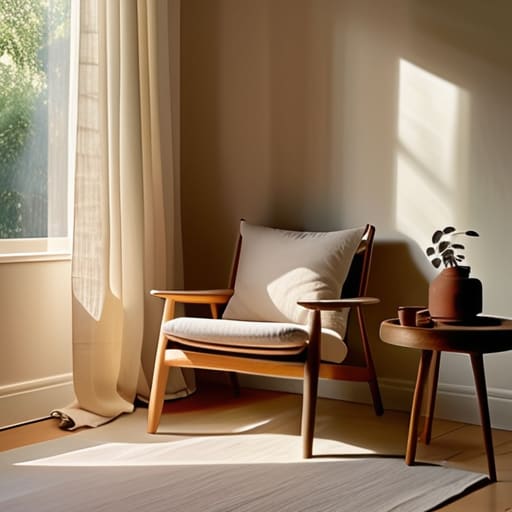
Let’s be real for a second: you can buy all the aesthetic linen bins in the world, but if your head is still spinning with "what-ifs" and "maybe-one-days," your house will never feel truly light. Real change starts with shifting your decluttering mindset and habits from a chore to a form of self-care. Instead of viewing it as a battle against your stuff, try looking at it as a way to honor your time and energy. When we stop clinging to things that no longer serve our current season of life, we aren't just cleaning; we are making room for the peace we actually deserve.
I always tell my clients that consistency beats intensity every single time. You don't need a weekend-long marathon of throwing things into trash bags. Instead, try incorporating small, sustainable decluttering techniques for beginners, like the "one-in, one-out" rule or tackling just one drawer a day. It’s about building a rhythm that supports your well-being rather than draining it. When you treat your environment with intention, you’ll find that the mental clarity follows the physical space.
Creating Intentional Living Spaces That Nurture Your Soul
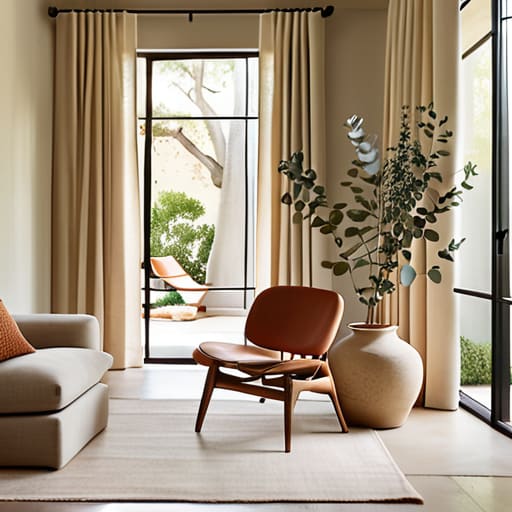
Once you’ve tackled the mental heavy lifting of decluttering, it’s time to shift from "getting rid of stuff" to "bringing in purpose." I like to think of this stage as designing your personal sanctuary rather than just following a set of strict minimalist interior design principles. It’s not about living in a cold, empty white box; it’s about ensuring every single item in your view serves a purpose—whether that’s functional or purely soulful. When I’m designing a space, I ask myself: Does this object invite peace, or does it just create visual noise?
Creating intentional living spaces means curating an environment that actually supports your wellness goals. If you’re a yoga lover like me, maybe that means keeping your corner clear of stray mail so you can roll out your mat without tripping over a pile of laundry. It’s about making room for the rituals that ground you. By focusing on quality over quantity, you aren't just organizing a room; you are cultivating a lifestyle that breathes alongside you, allowing you to truly recharge after a long day in the city.
Small Shifts, Big Impact: My Top 5 Minimalist Hacks for a Balanced Home
- The "One-In, One-Out" Rule: To keep your space from creeping back into chaos, make a pact with yourself that for every new item brought into your sanctuary—whether it’s a trendy new candle or a cozy sweater—one old item must find a new home through donation or recycling. It’s like a little financial budget, but for your stuff!
- Curate Your Digital Clutter: We often forget that our mental space is heavily impacted by our screens. Spend twenty minutes this weekend unsubscribing from those impulse-buy retail emails and clearing out your desktop icons. A clean digital workspace is just as vital for your peace of mind as a clean living room.
- Invest in Multi-Purpose Pieces: From a career perspective, I’m all about ROI (Return on Investment), and your furniture should be no different! Look for pieces that work double duty, like an ottoman with hidden storage or a desk that doubles as a vanity. It keeps your footprint small and your functionality high.
- The "Daily Reset" Ritual: Instead of a massive weekend cleaning marathon that drains your energy, try a 15-minute evening reset. Just a quick sweep of the surfaces and putting things back in their "homes" allows you to wake up to a fresh start, rather than starting your day by fighting yesterday's mess.
- Let Go of the "Just in Case" Trap: We all have that one drawer filled with random cords and gadgets we might need someday. Trust me, if you haven't touched it in a year, you likely won't. Reclaiming that physical space is worth much more than the hypothetical use of a gadget you'll never actually find.
Finding Your Flow: The Heart of a Minimalist Home
Minimalism isn't a chore or a design trend; it's a powerful tool for mental clarity that helps you reclaim your time and energy for the things that actually fuel your soul.
Focus on quality over quantity by investing in pieces that serve a purpose and bring you joy, rather than letting "stuff" dictate your space and your budget.
Remember that a peaceful home is the foundation of a balanced life—when you clear the physical clutter, you're making room for the professional focus and personal wellness you deserve.
## The True ROI of Less
"Think of decluttering not as a chore, but as a high-yield investment in your mental capital; when you stop managing 'stuff,' you finally free up the resources to start investing in yourself."
Lena Anderson
Finding Your Flow in a Simplified Space
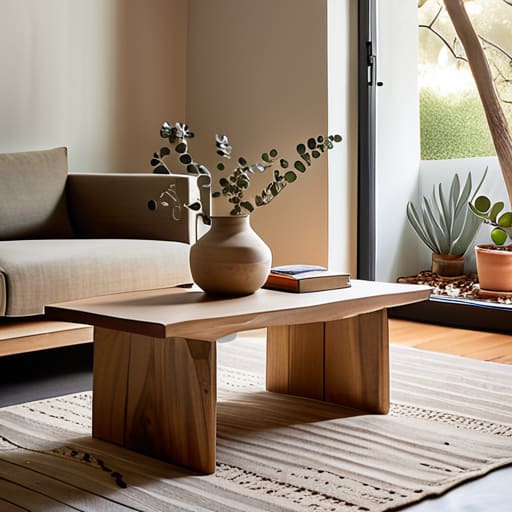
As we wrap up this journey toward a lighter lifestyle, remember that minimalism isn't about living in a sterile, white box or getting rid of everything you love. It’s about the intentionality we discussed—shifting your mindset from "what can I get rid of" to "what actually serves my purpose." By mastering your decluttering habits and curating spaces that truly nurture your soul, you aren't just cleaning a room; you are reclaiming your mental bandwidth. We’ve looked at how small, consistent shifts in your environment can lead to massive breakthroughs in your focus and overall wellness, making your home a true sanctuary rather than a source of stress.
At the end of the day, your home should be the launchpad for the life you actually want to live, not a weight that holds you back from your biggest career and personal goals. Whether you’re managing a high-stakes budget or finding your center on a yoga mat, you need a space that breathes alongside you. Don't feel like you have to overhaul everything by tomorrow morning; just take one small, mindful step today. Remember, true success is found in the balance between your professional hustle and the quiet peace of your own four walls. You've got this!
Frequently Asked Questions
How do I start decluttering when I feel completely overwhelmed by the sheer amount of stuff I've accumulated over the years?
I totally get it—looking at a mountain of stuff can feel like staring at a giant, overwhelming debt you can't pay off. When I feel that paralysis, I use the "Micro-Win" method. Don't aim for the whole house; just pick one single drawer or even just one shelf. It’s like starting a small savings account; those tiny, consistent wins build the momentum you need to tackle the big stuff without burning out.
Is it possible to embrace minimalism without making my home feel cold, empty, or uninviting?
Oh, I hear you! That "sterile museum" vibe is exactly what we want to avoid. Minimalism isn't about living in a white box; it’s about curation. Think of it like your career: you don't want a desk overflowing with junk, but you definitely want a comfortable chair and a plant that makes you smile. Focus on textures, warm lighting, and items that actually hold meaning. It’s about making room for soul, not just emptiness.
How can I manage the financial guilt of letting go of things I spent a lot of money on but no longer use?
I hear you, and trust me, I’ve been there. That "sunk cost" feeling is a total budget-killer for your peace of mind. Here’s my take: that money is already gone. Keeping an item you don't use doesn't bring the cash back; it just charges you "rent" in the form of mental clutter. Instead, reframe it: selling those items is a way to recoup some funds and reinvest in your current life. Let it go!