How to Eat Healthy on a Tight Budget
 Lena Anderson
I remember sitting in my tiny, cramped apartment in NYC after my first big corporate finance stint, staring at a grocery receipt that felt more like a ransom note than a food budget. I had the MBA, the fancy title, and the "success" everyone talks about, yet I was choosing between a bag of organic kale and actually paying my electric bill. It’s that exhausting, soul-crushing myth that healthy eating on a budget requires a PhD in nutrition or a trust fund to afford those trendy, overpriced superfoods. Honestly? The idea that you have to sacrifice your wellness just to keep your savings account from hitting zero is complete nonsense, and it’s one of the biggest barriers to the balance we’re all striving for.
I’m not here to sell you on some complicated meal-prep ritual that takes five hours of your Sunday or a list of exotic ingredients you can't find at your local corner store. Instead, I’m sharing the real-world, no-nonsense strategies I’ve used to bridge the gap between financial stability and physical vitality. We are going to dive into practical, sustainable ways to nourish your body without draining your bank account or sacrificing your peace of mind.
Table of Contents
Building Your Foundation With Affordable Nutritious Food Staples
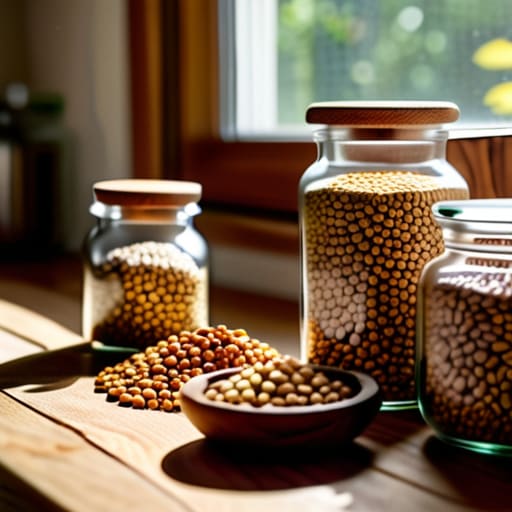
Think of your kitchen like a startup: you wouldn't try to scale a massive operation without a solid base of capital, right? In the world of wellness, your capital is your pantry. Instead of wandering the aisles of a high-end organic market feeling overwhelmed by price tags, I want you to focus on nutritious pantry essentials that act as your financial safety net. I’m talking about the heavy hitters: dried lentils, quinoa, canned chickpeas, and oats. These aren't just "filler" foods; they are versatile, long-lasting powerhouses that allow you to build a meal from scratch without breaking the bank.
Once you have these basics, the real magic happens when you start meal prepping for cost savings. When I first moved to NYC, I used to spend a fortune on takeout because my fridge was empty. Now, I treat my Sunday prep like a strategic planning session. By stocking up on these affordable nutritious food staples, you’re essentially pre-funding your future meals. It reduces the "decision fatigue" that leads to expensive impulse buys and ensures that even on your busiest, most stressful workdays, you have a healthy, delicious option waiting for you.
Unlocking Joy Through Seasonal Produce Benefits
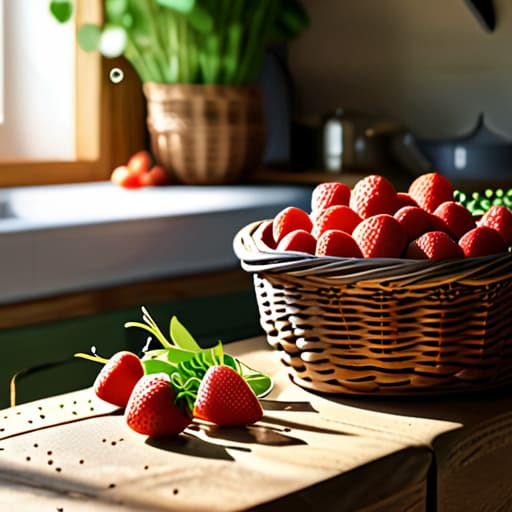
One of my favorite ways to bring a little mindfulness into the kitchen is by leaning into the rhythm of the seasons. When you stop fighting the calendar and start eating what’s naturally in bloom, you unlock some serious seasonal produce benefits. Not only does fruit and veg taste a thousand times better when it's harvested at its peak, but it’s also significantly cheaper. Think about it: when strawberries are in season, they aren't some luxury item flown halfway across the world; they’re abundant, local, and much kinder to your bank account.
I always tell my coaching clients that small shifts in perspective can lead to massive wins in both wellness and wealth. Instead of viewing a grocery list as a chore, try seeing it as a way to connect with the earth's natural cycle. By prioritizing what's currently in season, you're naturally implementing some of the best low cost grocery shopping tips without even trying. It’s a beautiful way to nourish your body while keeping your financial goals firmly on track. Plus, let's be honest—a perfectly ripe peach in July just hits different!
Smart Moves to Keep Your Plate Full and Your Bank Account Happy
- Master the Art of Meal Prepping (Without the Stress): I used to think meal prepping meant spending my entire Sunday in a kitchen trance, but it’s really just about being kind to your future self. Spend an hour or two prepping a big batch of grains or roasted veggies on Sunday; it prevents those "I'm too tired to cook" takeout orders that secretly drain your savings.
- Embrace the Frozen Aisle: Here’s a little secret from my finance days—frozen fruits and veggies are often more nutritious than the "fresh" stuff that's been sitting on a truck for a week, and they are significantly cheaper. They won't wilt in your crisper drawer, which means less food waste and more money staying in your pocket.
- Shop Your Pantry First: Before you head to the grocery store, do a little "kitchen scavenger hunt." We often buy duplicates of things we already have tucked away in the back of the cupboard. Building a meal around that half-bag of lentils or that can of chickpeas isn't just frugal; it's a creative way to keep your routine fresh.
- Go Meatless More Often: You don't have to go full vegan to see the impact on your budget, but swapping meat for plant-based proteins like beans, lentils, or tofu just a few times a week is a total game-changer. It’s much easier on your wallet, and your body will thank you for the extra fiber boost!
- Write a List and Stick to It (With a Buffer): Impulse buys are the ultimate budget killers. I like to treat my grocery list like a roadmap—it keeps me focused so I don't wander into the snack aisle just because I'm hungry. Pro tip: Try not to shop when you're starving, or you might find yourself walking home with a cart full of things you didn't actually need.
Quick Wins for Your Wallet and Your Wellness
Focus on the "Power Players"—those versatile, budget-friendly staples like lentils, oats, and frozen veggies that keep your pantry stocked without breaking the bank.
Let the seasons lead your grocery list; buying what's currently in bloom is the easiest way to snag peak nutrition at a fraction of the cost.
Remember that eating well is a marathon, not a sprint—aim for small, sustainable shifts that nourish your body and your bank account rather than chasing perfection.
Finding the Sweet Spot
"Eating well shouldn't feel like a luxury reserved for the elite or a second job that drains your bank account; it's about making mindful, delicious choices that nourish your body without sacrificing your peace of mind or your financial freedom."
Lena Anderson
Bringing It All Home
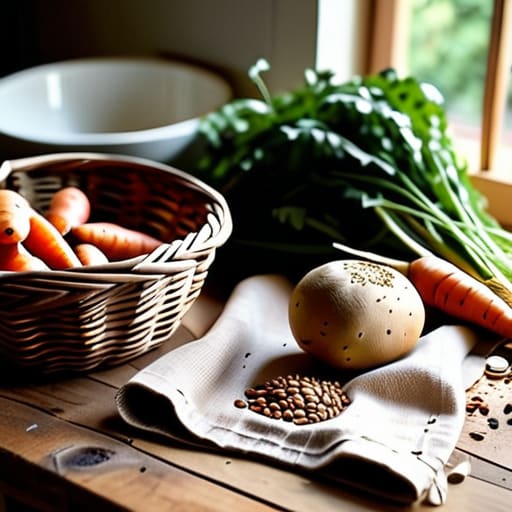
At the end of the day, eating well on a budget isn't about deprivation or living on nothing but instant noodles; it’s about being intentional with your choices. We’ve talked about how stocking up on versatile staples can act as your financial safety net, and how leaning into the rhythm of the seasons can actually make your grocery trips more delicious and less expensive. By combining these two strategies, you aren't just saving pennies—you are building a sustainable system that supports your physical health without causing your bank account to spiral. Remember, it’s all about making smart, manageable shifts rather than trying to overhaul your entire life overnight.
As you step into your kitchen this week, I want you to take a deep breath and remember that this journey is just as much about your mental well-being as it is about your nutrition. Don't let the pressure of "perfection" steal your joy or add unnecessary stress to your already busy schedule. Whether you’re meal prepping on a Sunday or just choosing a seasonal apple over a pricey imported one, you are making a powerful investment in yourself. You deserve to feel nourished, vibrant, and financially secure all at once. You've got this, and I am cheering you on every single step of the way!
Frequently Asked Questions
How can I meal prep effectively for a busy work week without spending my entire Sunday in the kitchen?
The secret isn't spending six hours over a hot stove; it's about working smarter, not harder. I love the "component prepping" method. Instead of making full meals, prep versatile building blocks: a big batch of roasted veggies, one grain, and two proteins. This way, you can mix and match throughout the week so you don't feel like you're eating the same sad Tupperware leftovers every single day!
Are there any specific ways to shop for healthy groceries when I'm stuck using a small corner store instead of a big supermarket?
I totally get it—sometimes life lands you in a spot where the local corner store is your only option. Don't panic! Think of it like a mini-challenge. Focus on the "perimeter" of the shop; that’s where you’ll find eggs, canned beans, and frozen veggies. Skip the pricey, pre-packaged snack aisles and look for versatile staples like oats or tuna. It’s all about being strategic so you can nourish your body without breaking your budget!
How do I balance eating nutritious, whole foods with the reality of wanting to enjoy a treat or a meal out with friends without feeling guilty about my budget?
Listen, I’ve been there—staring at a menu feeling that tug-of-war between my bank account and my cravings. Here’s the secret: don't aim for perfection; aim for harmony. Think of your budget like a diversified portfolio. If you’ve been smart with your "staple" groceries all week, you’ve actually built a "social fund" for that dinner out! Enjoy the meal, skip the guilt, and just pivot back to your nourishing basics the next day.