How to Keep Your Houseplants Alive and Thriving
 Lena Anderson
Honestly, if I see one more "influencer" claiming you need a $50 specialized nutrient serum and a high-tech UV light setup to keep a simple pothos alive, I might actually lose it. It’s such a racket! We’ve been conditioned to think that learning how to care for houseplants requires a degree in botany and a massive monthly budget, but that’s just corporate fluff designed to empty your wallet. When I first moved to NYC, my tiny apartment was a graveyard of expensive ferns that died within a week because I was trying to follow "expert" rules that didn't account for my actual life.
I’m not here to sell you on a lifestyle you can't afford or a complicated routine that adds more stress to your already packed calendar. Instead, I’m going to give you the real-world blueprint for keeping your greenery thriving without sacrificing your sanity or your savings. We’re going to strip away the hype and focus on the simple, sustainable habits that actually work. By the end of this, you'll know exactly how to care for houseplants in a way that brings genuine peace—not more chores—to your home.
Table of Contents
Finding Harmony With Indoor Plant Light Requirements
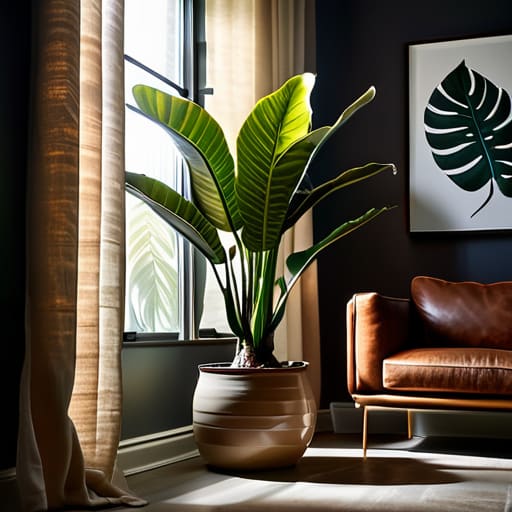
Think of your plants like your career goals: they can’t thrive if they’re stuck in the dark or getting burned out by too much intensity. Understanding indoor plant light requirements is a lot like managing your energy levels at work. Some plants, like a hardy Snake Plant, are total low-maintenance pros that can handle those dim corners of your apartment. Others, like a Fiddle Leaf Fig, are a bit more high-maintenance and crave that bright, indirect glow—think of them as that high-stakes project that needs your undivided attention to really shine.
I always tell my clients that finding the right spot for your greenery is a form of intentional placement. If you notice your leafy friends are stretching toward the window like they’re desperately reaching for a promotion, they’re likely telling you they need more light! On the flip side, if the leaves look scorched, they’re definitely feeling the heat. Once you nail down that perfect lighting balance, you’ll find that everything else—from managing humidity for tropical indoor plants to keeping them lush and vibrant—becomes so much easier to navigate.
Choosing the Best Soil for Houseplants and Growth
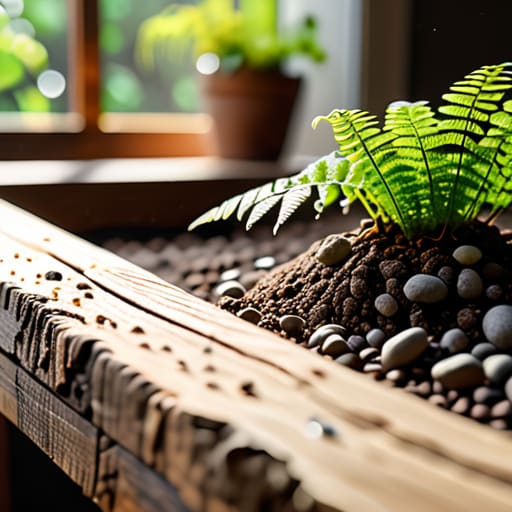
Now, let’s talk about the foundation—and I don’t just mean your career goals! Just like you wouldn't build a startup on shaky ground, you shouldn't expect your leafy friends to thrive in generic, heavy dirt. Finding the best soil for houseplants is all about matching the medium to the plant's specific personality. For instance, a thirsty fern craves something that holds onto moisture, while a succulent wants a gritty, well-draining mix that lets its roots breathe. Think of it as choosing the right professional development course: you want something that provides exactly what you need to grow, without getting bogged down in the fluff.
Once you've got your mix dialed in, remember that soil isn't a "set it and forget it" situation. Over time, nutrients get depleted, much like how our own energy reserves dip after a long quarter. This is where a consistent fertilizing indoor plants schedule becomes your secret weapon for long-term success. By replenishing those essential minerals, you’re essentially giving your plants a little "performance bonus" to keep them looking vibrant and strong.
Rooting for You: 5 Ways to Keep Your Green Friends Thriving
- Master the art of the "finger test" before you reach for the watering can. Overwatering is the quickest way to kill a plant's vibe (and its roots!), so stick your finger an inch into the soil; if it feels damp, let it be. Think of it as a tiny mindfulness check-in for your plant's needs.
- Don't forget to dust those leaves! Just like we need to clear our mental clutter to focus on a big presentation, your plants need clean leaves to breathe and soak up sunlight efficiently. A gentle wipe with a damp cloth works wonders for their glow-up.
- Listen to your plant's "body language." If the leaves are drooping, it might be thirsty; if they're turning yellow and mushy, it's likely drowning in too much love (and water). Learning these subtle cues is a lot like reading the room in a high-stakes meeting—it's all about observation.
- Consistency is your best friend, both in your career and your plant care. Try to establish a loose routine for checking in on them, but remember that nature doesn't follow a strict 9-to-5 schedule. Adjust your care as the seasons change, just like you'd pivot your strategy in a shifting market.
- Give them a little boost with some liquid gold! Every few months, a bit of organic fertilizer can act like a professional development seminar for your plants, providing the nutrients they need to grow strong and reach their full potential.
Quick Wins for Your Indoor Oasis
Treat your plant's lighting needs like your own morning routine; once you find that perfect "sweet spot" of sun, consistency is your best friend for growth.
Don't skimp on the foundation—investing in high-quality, well-draining soil is like building a solid 401(k); it might seem like an extra step now, but it pays massive dividends for your plant's long-term stability.
Use your plant care as a built-in mindfulness break to disconnect from the corporate grind and reconnect with something living, breathing, and beautifully slow.
The Zen of Greenery
"Think of your houseplants as your tiny, leafy coworkers: they don't need constant micromanagement, they just need the right environment and a little bit of consistent care to truly thrive—much like building a career that actually fuels your soul instead of draining it."
Lena Anderson
Nurturing Your Growth, One Leaf at a Time
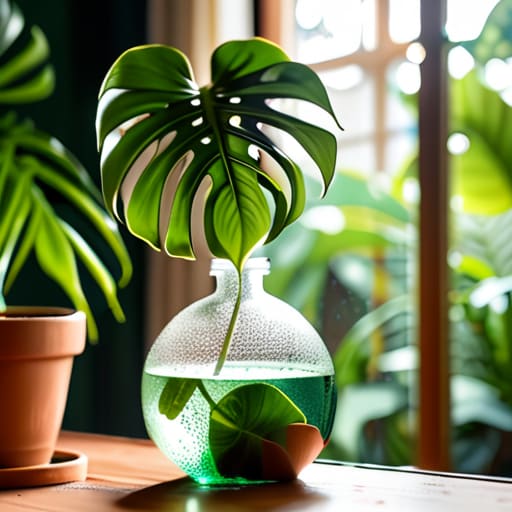
As we wrap up our little indoor gardening deep dive, remember that caring for your plants is really just a series of small, intentional decisions. We’ve talked about finding that perfect sweet spot for light, making sure they have the right foundation with quality soil, and keeping their hydration in check. It’s a lot like managing a career or a budget—it’s not about one massive, overwhelming effort, but rather about consistent, mindful maintenance. When you get the basics right, you create an environment where things don't just survive, they truly thrive. Just think of it as investing in your own personal ecosystem right inside your living room.
Beyond the dirt and the sunlight, I want you to remember that tending to your plants is a beautiful way to practice mindfulness in the middle of a hectic week. In my own life, when the corporate world feels a little too loud, taking five minutes to check on my monstera helps me ground myself and find my center. Don't be discouraged if a leaf turns yellow or a plant doesn't make it; even in finance, we call those learning experiences! Treat your plant care as a journey of patience and grace, and let your indoor jungle become a sanctuary that nourishes both your soul and your space.
Frequently Asked Questions
How do I know if I'm actually overwatering my plants versus just being a little too enthusiastic with the watering can?
We’ve all been there—that "enthusiastic watering" is really just our way of trying to nurture something when we’re feeling stressed! To tell the difference, check the soil first; if it’s soggy and smells a bit funky, you’re overdoing it. Watch for yellowing leaves or mushy stems—that’s your plant’s way of saying, "Hey, give me a breather!" Think of it like your budget: a little goes a long way, but too much leads to a mess!
Are there any specific plant varieties that are practically unkillable for someone with a hectic, high-stress work schedule?
If your calendar looks like a game of Tetris gone wrong, don't sweat it! You need "set it and forget it" companions. I always recommend Snake Plants or ZZ Plants; they are the ultimate low-maintenance MVPs that thrive on neglect. They’re basically the "stable 401(k)" of the plant world—reliable even when life gets chaotic. A little Pothos also works wonders, adding a splash of green without demanding your precious mental bandwidth!
How can I tell if my plants are struggling because of the environment or if they're just going through a natural seasonal change?
It’s a bit like trying to tell if a dip in your quarterly earnings is a temporary market fluctuation or a sign of a deeper structural issue! If your plants are dropping a few leaves or slowing down as the days get shorter, they’re likely just hitting their "seasonal sabbatical." But, if you see sudden yellowing, wilting, or pests, that’s a red flag. They aren't just resting; they’re crying out for an environmental adjustment.