The Essential Tools Every Diy Beginner Needs
 Lena Anderson
I still remember the smell of sawdust and the sheer, overwhelming frustration of my first weekend project in my tiny NYC apartment. I had spent way too much money on a massive, professional-grade power drill that I barely knew how to use, only to realize that my real problem wasn't a lack of "fancy" gear, but a total lack of the actual essential tools for diy that matter. I was staring at a crooked shelf and a pile of wasted cash, feeling less like a "creative soul" and more like a corporate burnout who had just made a very expensive mistake.
Listen, I’m not here to sell you on a lifestyle of endless consumerism or convince you that you need a garage full of specialized machinery to find your zen. My goal is to help you build a toolkit that supports your creative freedom without draining your savings account. I’m going to walk you through the practical, no-nonsense essentials that will actually get the job done, so you can stop stressing about the hardware store and start finding that joyful flow that comes from making something real with your own two hands.
Table of Contents
Curating Your Home Improvement Starter Kit
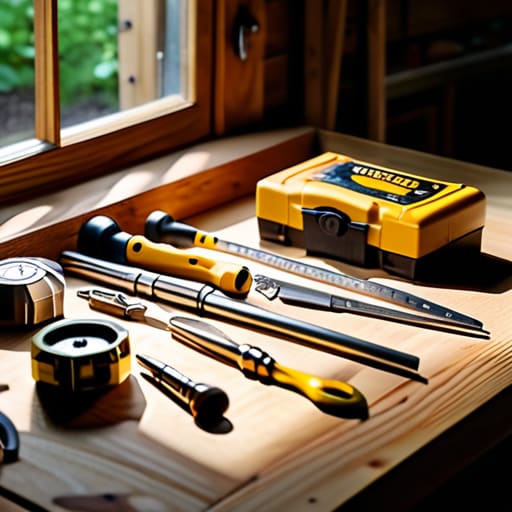
When you’re first starting out, it’s easy to feel overwhelmed by the sheer volume of gear available at the hardware store. I always tell my clients that just like building a career, you don't need everything on day one; you just need the right foundation. Instead of panic-buying everything in sight, I recommend focusing on a solid home improvement starter kit that covers the basics of fixing, fastening, and measuring. Think of it as investing in your own personal "wellness kit" for your living space—starting small allows you to build confidence without breaking your bank account.
As you begin to explore, you’ll eventually face the classic debate: hand tools vs power tools. For my fellow perfectionists who love the meditative, slow pace of a project, high-quality manual tools offer a sense of control and connection to the craft. However, if you're looking to maximize efficiency so you can get back to your yoga mat sooner, a cordless drill is a total game-changer. My best advice? Prioritize versatility and quality over quantity. It's much better to own one reliable hammer than a drawer full of flimsy ones that just lead to frustration.
Budget Friendly Diy Tools for a Balanced Life
Now, let’s talk about the elephant in the room: the cost. When I first moved to NYC, I used to think that doing things myself required a massive investment, but that’s a total myth that keeps people from starting. You don't need to blow your entire savings account to get started on a project that brings you peace. In fact, focusing on budget friendly diy tools is actually a brilliant way to practice mindful spending. Instead of buying a high-end, professional-grade kit right away, I recommend starting with high-quality basics that serve multiple purposes.
One of the most common debates I hear is about hand tools vs power tools. While I love the efficiency of a cordless drill, there is something incredibly grounding and meditative about using a manual screwdriver or a hand saw. It forces you to slow down and actually connect with the material you're working with. By prioritizing a few versatile manual pieces first, you build a solid foundation without the financial stress. It’s all about investing in quality over quantity so you can enjoy the process without the buyer's remorse!
Five Pro-Tips for Tool Shopping Without the Stress
- Invest in quality over quantity; I’ve learned from my finance days that buying a cheap, flimsy drill that breaks mid-project is actually more expensive in the long run than investing in one solid, reliable piece that lasts a lifetime.
- Create a "Project Sandbox" before you buy; instead of wandering the aisles of a big-box store aimlessly, write down exactly what you want to create so you don't end up with a drawer full of gadgets you'll never actually use.
- Prioritize multi-purpose tools to keep your space clutter-free; since I value mindfulness and a tidy environment, I always look for tools that can handle multiple tasks, helping you maintain that peaceful, organized sanctuary we all crave.
- Don't be afraid to borrow or rent for specialized tasks; just like you wouldn't buy a tuxedo for a one-time gala, you don't need to own a heavy-duty sander if you're only using it once a year—save that capital for your long-term goals!
- Safety gear is your most important investment; think of your goggles and gloves as the "wellness routine" of DIY—they might seem like an extra step, but they ensure you can keep enjoying your hobbies for years to come without any setbacks.
Finding Your Flow: Final Thoughts on Building Your Toolkit
Remember that DIY isn't about having every gadget in the catalog; it's about investing in quality essentials that turn a stressful weekend chore into a soulful, creative escape.
Don't let the price tag intimidate you—start small with budget-friendly finds and grow your collection as your confidence (and your home sanctuary) expands.
Use your DIY projects as a way to practice mindfulness, focusing on the joy of the process rather than just the finished product to help maintain that crucial work-life harmony.
Investing in Your Joy
"Think of your DIY toolkit not just as a collection of hammers and drills, but as an investment in your own agency; having the right tools means you stop dreaming about a beautiful space and finally start building the sanctuary you deserve."
Lena Anderson
Building Your Future, One Project at a Time
As we wrap up our little deep dive into the world of DIY, remember that you don't need a professional-grade workshop to start making magic happen in your own space. We’ve looked at everything from building that foundational starter kit to finding those budget-friendly gems that won't derail your financial wellness goals. Whether you’re investing in a high-quality cordless drill or opting for a few versatile hand tools, the goal isn't to own every gadget under the sun—it's about having the right resources to execute your vision without the stress. By choosing tools that align with both your projects and your financial boundaries, you're setting yourself up for a much more sustainable and joyful creative journey.
At the end of the day, these tools are so much more than just metal and plastic; they are the instruments you use to compose the soundtrack of your life. Just like a well-composed jingle, a successful DIY project requires the right rhythm, a bit of patience, and the courage to occasionally make a mistake. I want you to view every nail driven and every shelf leveled as a step toward creating your own sanctuary. Don't get so caught up in the perfection of the finished product that you forget to breathe and enjoy the process. Go ahead, grab those tools, and start building a life that feels as good as it looks!
Frequently Asked Questions
Since I'm already juggling a busy work schedule, how do I know which DIY projects are actually worth the time investment versus just adding more stress to my plate?
That is such a valid question! When your calendar is already bursting, DIY shouldn't feel like a second job. I always tell my clients to use the "Joy vs. Friction" test. Ask yourself: Does this project spark creativity, or am I just doing it out of obligation? If the thought of starting makes you sigh heavily, skip it. Aim for "quick wins" that offer immediate peace, rather than massive renovations that derail your zen.
I'm a bit of a beginner—should I focus on buying one high-quality power drill now, or is it better to get a bunch of cheaper, multi-purpose tools to start?
Oh, the classic "quality vs. quantity" dilemma! Honestly, if I were coaching you through a career pivot, I’d tell you to invest in your core assets first. It’s the same with tools. Instead of a drawer full of flimsy gadgets that break mid-project (and kill your zen!), go for that one high-quality drill. It’s a foundational investment that saves you frustration and money in the long run. Build your toolkit one solid piece at a time!
How can I balance the excitement of starting a new home project with the need to stay on budget so I don't derail my long-term financial goals?
I totally get it—that "new project energy" is intoxicating! It feels like you can conquer the world (or at least your guest room) in a weekend. But here’s my golden rule: treat your DIY budget like a retirement fund. Before you tap "buy" on that fancy power saw, sit down with your spreadsheet. Set a hard cap for the project so you’re building your dream home without dismantling your dream future. Balance is everything!