How to Mend Clothes and Make Them Last Longer
 Lena Anderson
I was standing in my closet in my tiny, cramped NYC apartment, staring at my favorite vintage cashmere sweater with a gaping hole right near the cuff, feeling that familiar surge of defeat. My first instinct was to toss it in the "donate" bin, thinking it was a lost cause, but then I remembered something my grandmother used to say about investing in what you already own. We’ve been conditioned to think that a snag or a loose thread means the end of the line, but learning how to mend clothes isn't just about saving a few bucks—it’s actually a radical act of mindfulness. It’s about slowing down, stepping away from the frantic pace of the corporate grind, and showing a little love to the things that make us feel like ourselves.
In this guide, I’m stripping away the intimidating jargon and the "perfectionist" pressure to give you a totally no-nonsense roadmap to garment repair. Whether you're dealing with a stubborn button, a pesky tear, or a seam that's seen better days, I’ll walk you through the essential, easy-to-master techniques that actually work. We aren't aiming for runway-ready perfection here; we're aiming for functional, beautiful resilience that honors your wardrobe and your wallet.
Table of Contents
- Step-by-Step Instructions
- Mastering Needle and Thread Basics for Mindful Living
- Invisible Mending Techniques to Restore Your Favorite Silhouettes
- Beyond the Stitch: 5 Pro-Tips for a Sustainable and Stylish Wardrobe
- Finding the Balance: Why Mending is Your New Secret Weapon
- ## More Than Just a Stitch
- Embracing the Beauty of the Mend
- Frequently Asked Questions
Guide Overview
Tools & Supplies
- Hand sewing needles of various sizes
- Fabric scissors for clean cuts
- Seam ripper for removing old stitches
- All-purpose polyester thread in multiple colors
- Fabric patches for holes or tears
- Sewing pins to hold fabric in place
Step-by-Step Instructions
- 1. First things first, you need to gather your supplies. Think of this like prepping for a big presentation—you wouldn't walk into a boardroom without your notes, right? Grab a sturdy needle, some high-quality thread that matches your fabric (or a contrasting color if you want to make it a fashion statement), and a pair of sharp scissors. I also highly recommend getting a small embroidery hoop; it keeps the fabric taut and prevents you from accidentally pulling the weave out of shape.
- 2. Once you have your kit ready, take a deep breath and inspect the damage. I like to treat this like a mindfulness exercise—really look at the hole or the fraying seam without judgment. Is it a clean tear, or are there little bits of fabric missing? Knowing exactly what you're dealing with helps you decide if you need a simple stitch or a more creative patch to fill in the gaps.
- 3. If you're dealing with a small hole, let's start with the "invisible" approach. Thread your needle and tie a knot at the end, then anchor your thread on the inside of the garment. Start stitching from the edge of the tear, bringing the needle up through the fabric and back down in a tiny, tight zigzag pattern. The goal is to pull the edges together snugly without puckering the material, making the repair look like it was never even there.
- 4. For those slightly larger holes where fabric is actually missing, it’s time to get a little more strategic with a patch. You can use a piece of scrap fabric from an old shirt or even a beautiful piece of lace. Place your patch on the underside of the hole, securing it with a few stabilizing stitches. This creates a foundation so your decorative stitches have something solid to grab onto, rather than just sewing into thin air.
- 5. Now, let's talk about the "visible mending" trend, which is my absolute favorite for adding personality to your wardrobe. Instead of hiding the tear, use bright, colorful embroidery floss to create patterns like stars, flowers, or simple geometric shapes over the damage. It turns a mistake into a unique piece of art that tells a story about how much you value your belongings.
- 6. Once you feel confident that the structural integrity is back, it's time to finish up. Turn the garment inside out and carefully snip away any long, loose threads. Make sure to tie off your thread with a few small, secure knots on the underside so your hard work doesn't unravel unexpectedly the next time you're out for a walk or a yoga session.
- 7. Finally, give your mended piece a little "stress test." Gently tug on the area to ensure everything feels secure and the tension is just right. If it feels good, give yourself a huge pat on the back! You didn't just fix a piece of clothing; you practiced patience and sustainability, which is a massive win for both your soul and your wallet.
Mastering Needle and Thread Basics for Mindful Living
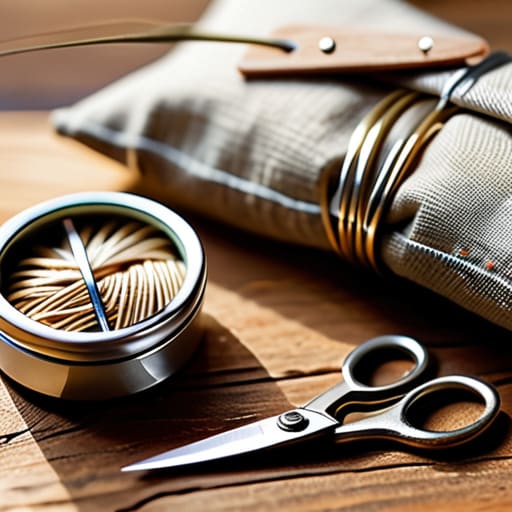
Before you dive into your first repair, I want you to think of your sewing kit not as a dusty box in the junk drawer, but as a little sanctuary for intentionality. To really get the hang of needle and thread basics, you need more than just a random assortment of tools; you need the right sewing kit essentials to make the process feel seamless rather than frustrating. I always recommend keeping a few high-quality needles, a variety of thread colors, and a sharp pair of embroidery scissors close at hand. When you have the right tools, you stop fighting the fabric and start flowing with it.
I also love to remind my clients that mending is a form of active meditation. Instead of rushing to fix a snag just to get it over with, try to lean into the slow pace. Whether you are practicing invisible mending techniques to hide a tiny snag in a silk blouse or tackling a more rugged project like patching denim holes, let the rhythmic movement of the needle ground you. It’s about more than just fabric repair; it’s about reclaiming the time to care for your belongings with patience and grace.
Invisible Mending Techniques to Restore Your Favorite Silhouettes
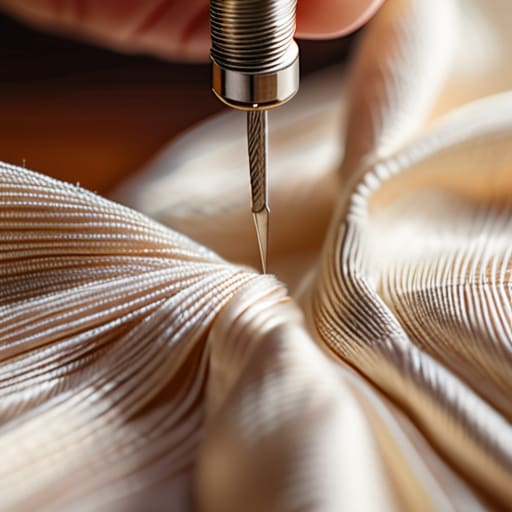
Sometimes, we want our clothes to look like they never even met a snag in the first place. If you’ve got a delicate silk blouse or a fine knit sweater that’s seen better days, standard patching just won't cut it. This is where invisible mending techniques truly shine. Instead of covering up a flaw with a loud, decorative patch, you’re essentially performing surgery on the fibers. By carefully weaving matching threads back into the damaged area, you can bridge gaps in the weave so seamlessly that even a trained eye might miss the repair. It’s a bit more time-consuming than a quick stitch, but the payoff is a garment that looks entirely restored.
Think of this process as a form of meditative precision. While it requires a steady hand and a high-quality set of sewing kit essentials, the focus required can be incredibly grounding. Whether you are stabilizing a tiny hole in a luxury knit or reinforcing a thinning area, you aren't just fixing fabric; you are honoring the longevity of your wardrobe. It turns a moment of frustration into a quiet, intentional act of preservation.
Beyond the Stitch: 5 Pro-Tips for a Sustainable and Stylish Wardrobe
- Curate your "Mending Toolkit" with intention. Instead of a cluttered junk drawer, invest in a beautiful, small tin filled with high-quality needles, a few essential thread colors (think neutrals like navy, black, and cream), and a sharp pair of small embroidery scissors. Having tools you actually love using makes the process feel like a ritual rather than a chore.
- Don't fear the "Visible Mend." Sometimes, trying to hide a hole makes the garment look patchy and awkward. I love the Japanese concept of Sashiko—using decorative, contrasting stitches to turn a tear into a beautiful piece of embroidery. It’s like giving your clothes a unique, personalized history.
- Always do a "stress test" before you finish. Once you've repaired a seam or a button, give it a gentle tug. You want to ensure the tension is just right—not so tight that it puckers the fabric, but not so loose that it pops open the moment you head out for a coffee run.
- Match your thread weight to your fabric's personality. There’s nothing more frustrating than trying to mend a delicate silk blouse with heavy-duty upholstery thread. It’s like trying to do yoga in combat boots—it just doesn't flow! Use fine silk or cotton threads for lightweight pieces to keep the repair seamless.
- Use mending as your "Digital Detox" moment. Instead of scrolling through LinkedIn or checking your bank balance while you rest, use this time to practice mindfulness. Focus on the rhythm of the needle, the texture of the fabric, and the sensation of creating something lasting. It’s a tiny, productive way to reclaim your peace.
Finding the Balance: Why Mending is Your New Secret Weapon
Mending isn't just a way to save a few bucks on a new wardrobe; it’s a powerful act of mindfulness that helps you slow down and reconnect with the items you truly value.
Embracing a "repair over replace" mindset fosters a healthier relationship with your finances, shifting your focus from mindless consumption to intentional, sustainable living.
Whether you're using an invisible stitch or adding a colorful patch, mending allows you to express your creativity and turn a "flaw" into a unique part of your personal story.
## More Than Just a Stitch
"Mending a loose thread or a small tear isn't just about fixing a garment; it's a beautiful, quiet rebellion against our 'throwaway' culture—a way to practice patience and find a little bit of zen in the slow, intentional act of caring for what we already love."
Lena Anderson
Embracing the Beauty of the Mend
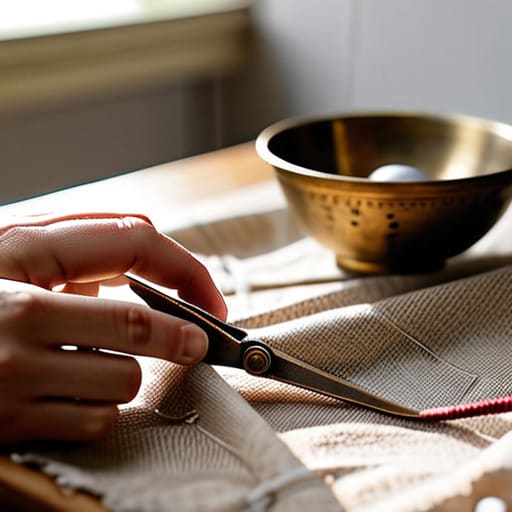
As we wrap up this little journey, I hope you feel a bit more confident picking up that needle and thread. We’ve covered everything from mastering those foundational stitches to using invisible mending techniques that make repairs look like they were never even there. Remember, mending isn't just a technical skill; it’s a way to honor the items that make us feel like ourselves. By taking the time to fix a loose button or a small tear, you aren't just saving money—which, as a finance nerd, I absolutely love—you are actively choosing to slow down and resist the relentless cycle of fast fashion.
At the end of the day, I want you to look at your mended clothes not as "fixed" items, but as stories of resilience. Much like our own career paths, things don't always go perfectly, and sometimes we hit a few snags along the way. But those little repairs are proof that we can heal, adapt, and come back even stronger. So, the next time you see a hole in your favorite sweater, don't toss it in the bin. Grab your kit, find a quiet corner, and remember that true sustainability starts with a single, mindful stitch. You've got this!
Frequently Asked Questions
Is it actually worth the time to fix my old clothes, or should I just invest in new pieces that fit my current style better?
I hear this question all the time, and honestly? It’s a classic tug-of-war between our current selves and our past favorites. If a piece truly resonates with your soul but just needs a little TLC, mend it! There’s so much mindfulness in that process. However, if you're holding onto something out of guilt rather than joy, let it go. Invest in quality pieces that align with your now, rather than cluttering your life with "maybe" items.
What kind of thread or needle should I keep in my "mindfulness kit" so I'm not scrambling when a button pops off?
Think of your sewing kit as your "emergency toolkit" for staying centered. To avoid that frantic, mid-meeting button panic, I recommend a small, aesthetic tin stocked with a few essentials: a set of medium-weight multipurpose needles, a spool of high-quality all-purpose thread in neutral tones (black, white, and navy are lifesavers!), and a few spare buttons. Keeping these handy means a tiny wardrobe mishap becomes a moment of calm repair rather than a stressful setback!
How do I know if a tear is too far gone to save without feeling like I'm just wasting my energy?
I totally get that feeling—the "is this worth my Sunday afternoon?" dilemma. Here’s my rule of thumb: look at the structural integrity. If the fabric is thinning to the point of looking like lace or the tear hits a seam that’s unraveling, it might be time to let go. Don't view it as wasted energy; view it as making space for pieces that truly serve you. Sometimes, the most mindful choice is knowing when to retire a garment gracefully.