How to Choose the Right Laptop for Your Needs
 Lena Anderson
I still remember sitting in a cramped corner of a Midtown coffee shop three years ago, staring at a sleek, silver machine that cost more than my monthly rent. I had just landed a major consulting gig and felt like I needed the most expensive tech on the market to prove I’d made it. But as the screen lagged during a crucial client presentation, I realized I’d fallen for the ultimate trap: buying status instead of utility. Learning how to choose a laptop shouldn't feel like a high-stakes gamble where you're forced to overpay just to keep up with the Joneses.
I’m not here to drown you in a sea of confusing RAM specs or technical jargon that sounds more like a math exam than helpful advice. Instead, I want to help you find a digital partner that actually supports your lifestyle, whether you're crushing spreadsheets or unwinding with a meditation app. I promise to give you the straight talk on finding a balance between performance and price, ensuring your tech investment fuels your career without draining your bank account or your peace of mind.
Table of Contents
- Decoding Laptop Specifications Explained for Your Daily Flow
- Finding the Best Laptop for Students and Creative Souls
- My Golden Rules for Picking a Tech Partner That Actually Fits Your Life
- Quick Wins for Your Tech Investment
- Investing in Your Digital Workspace
- Choosing Your Perfect Digital Partner
- Frequently Asked Questions
Decoding Laptop Specifications Explained for Your Daily Flow
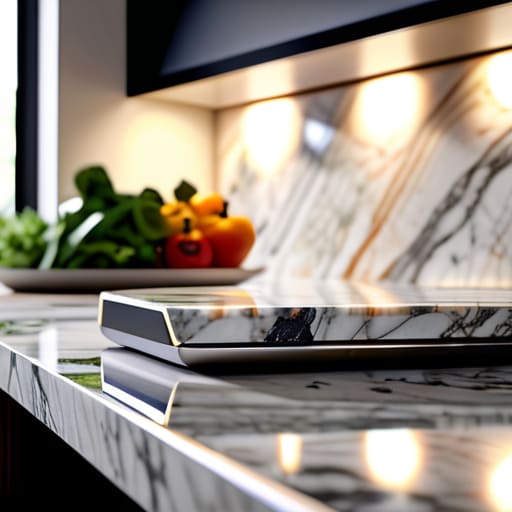
When you start looking at the technical jargon on a spec sheet, it’s easy to feel like you’re staring at a foreign language. But let’s simplify this: think of your laptop like a high-performance kitchen. The processor is your chef, and the RAM is the counter space. If you have a tiny counter, even the best chef in the world will struggle to prep a five-course meal without everything getting cluttered and slow. When looking at processor and RAM requirements, don't just aim for the highest number because it sounds impressive; aim for what matches your actual "recipe." If you're just answering emails and sipping matcha, you don't need a supercomputer that costs a month's rent.
I often see clients get caught in the trap of overspending on features they'll never touch. It’s a classic case of prioritizing prestige over practicality. Whether you are searching for the best laptop for students or a mobile office for your freelance hustle, focus on the specs that impact your daily flow—like a screen that won't strain your eyes or a battery that actually lasts through a long afternoon at a cafe.
Finding the Best Laptop for Students and Creative Souls
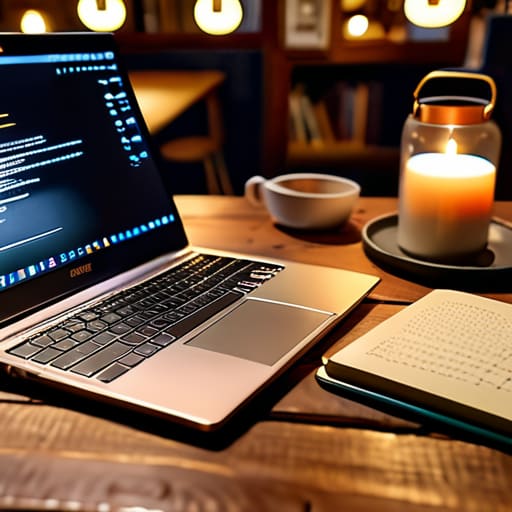
If you’re heading back to campus or diving into a freelance design gig, your laptop isn't just a tool—it’s your mobile headquarters. For the dreamers and the doers, I always say: don't let a technical glitch kill your creative flow. When looking for the best laptop for students, you need to find that sweet spot between portability and power. You don't want to be lugging a heavy brick across campus, but you also don't want your computer freezing right when inspiration strikes during a midnight essay session.
For my fellow creative souls—the photographers, the editors, and the digital illustrators—pay close attention to the laptop screen resolution guide before you hit that buy button. A dull, pixelated screen is the fastest way to ruin a beautiful color palette. While you’re at it, keep an eye on your processor and RAM requirements; creative software is a hungry beast that needs plenty of room to breathe. Whether you're navigating the world of Mac or Windows, remember that your tech should serve your vision, not limit it.
My Golden Rules for Picking a Tech Partner That Actually Fits Your Life
- Don't get blinded by the "spec sheet siren song." A high-end processor is great, but if the battery dies in two hours and you're a digital nomad working from cozy coffee shops, that power is useless. Prioritize portability and battery life just as much as raw speed.
- Test the "tactile factor" before you commit. As someone who spends hours typing out career strategies, I can tell you that a mushy keyboard or a trackpad that misbehaves will drain your mental energy faster than a Monday morning meeting. If you can, try the keyboard in person!
- Think about your "workspace footprint." If you're someone who thrives in minimalist environments or loves working from a yoga studio lounge, a heavy, bulky gaming laptop is going to feel like a literal anchor. Choose a weight that supports your mobility, not one that restricts it.
- Budget for the "hidden extras." It’s easy to get caught up in the sticker price, but remember to factor in the cost of a good protective sleeve, a reliable mouse, or even a cloud storage subscription. I always tell my clients: don't let your tech purchase wreck your monthly financial flow.
- Consider your future self, not just your current workload. Are you planning to dive into video editing or start a side hustle in graphic design next year? Buying a machine that’s just enough for today might leave you feeling frustrated and stuck by tomorrow. Invest in a little bit of breathing room.
Quick Wins for Your Tech Investment
Stop chasing every single high-end spec; instead, audit your actual daily workflow so you aren't paying for power you'll never use.
Prioritize your physical well-being by choosing a machine with a screen and keyboard that support your posture and long-term comfort.
View your laptop as a tool for freedom, not just a tool for work—ensure it's portable and reliable enough to support your life outside the office.
Investing in Your Digital Workspace
"Stop looking at a laptop as just a collection of RAM and processors; start seeing it as the tool that either fuels your creative flow or drains your mental energy. Buy for the life you want to live, not just the specs that look good on a spreadsheet."
Lena Anderson
Choosing Your Perfect Digital Partner
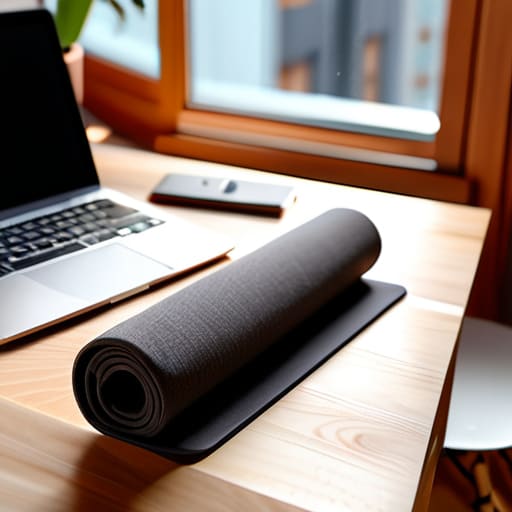
At the end of the day, picking a laptop isn't just about comparing RAM to storage or chasing the highest processor speed on a spec sheet. It’s about finding the tool that actually aligns with your rhythm. Whether you’re a student needing something lightweight for those long library sessions, a creative soul requiring heavy-duty processing power, or a professional looking for a seamless transition from the office to your yoga mat, the right choice should feel like an extension of you, not a burden. Remember to prioritize the features that support your specific daily flow—be it battery life, screen quality, or portability—rather than just buying the most expensive model to impress your peers.
As you move forward, I want you to remember that your laptop is a tool for your journey, not the destination itself. Use it to build your empire, express your creativity, and connect with the world, but don't let it become a tether that pulls you away from the life you’re working so hard to create. Invest in technology that empowers your productivity while respecting your need to unplug and recharge. You deserve a setup that works as hard as you do, leaving you plenty of energy to find that sweet spot of success and soul-deep balance. You've got this!
Frequently Asked Questions
Should I prioritize a lightweight design for my commute, or is a more powerful, heavier machine worth the extra weight in my bag?
This is the ultimate "quality of life" question! Honestly, don't let a heavy bag become a source of daily stress—your back will thank you later. If your work is mostly emails, spreadsheets, and research, go lightweight. You need portability to maintain that work-life boundary. But, if you’re editing video or running heavy data models, that extra weight is an investment in your productivity. Choose the tool that fuels your flow, not one that weighs you down.
How much should I realistically budget for a laptop if I want it to last me at least four or five years without slowing down?
Look, I get the urge to hunt for a bargain, but think of this as a long-term investment in your sanity. If you want a machine that won't leave you staring at a spinning loading icon by year three, I’d realistically budget between $800 and $1,200. That sweet spot usually gets you the RAM and processing power needed to stay snappy while you’re crushing your career goals and managing your life!
Is it better to invest in a high-end MacBook or a versatile Windows laptop if I want to keep my work-life boundaries clear?
Honestly, this is such a brilliant question because it’s about boundaries, not just bytes! If you crave a "flow state" where work feels seamless and elegant, a MacBook is a dream for focus. But, if you need to physically separate your "boss mode" from your "yoga mode," a versatile Windows laptop often allows for more distinct digital environments. Pick the one that makes it easiest to close the lid and truly unplug.