How to Improve Your Posture (even at a Desk)
 Lena Anderson
I remember sitting in a high-rise conference room in Midtown, halfway through a grueling quarterly review, when I realized I wasn't just exhausted—I was physically collapsing into my chair. My neck felt like it was being pulled by invisible weights, and my lower back was screaming a protest that no amount of caffeine could silence. It’s a frustrating cycle: you want to project authority and presence in your career, but your body is stuck in a permanent, slumped-over defensive crouch. I spent years thinking that learning how to improve your posture meant buying expensive ergonomic gadgets or spending hours in a specialized clinic, but I eventually realized that the "quick fixes" are usually just expensive distractions from the real work.
I’m not here to sell you a $500 lumbar cushion or a complicated set of rigid rules that leave you feeling stiff and unnatural. Instead, I want to share the practical, mindfulness-based shifts that actually worked for me—from my yoga mat to my executive desk. I promise to give you a realistic roadmap on how to improve your posture by integrating small, sustainable habits that support both your physical health and your professional confidence. Let's get you standing tall, not just for the aesthetic, but so you can actually feel as powerful as you truly are.
Table of Contents
- Finding Balance Through Effective Posture Correction Exercises
- The Hidden Toll of the Effects of Sitting Too Long
- Small Shifts, Big Wins: My Top 5 Posture Hacks for the Busy Professional
- Bringing It All Together: Your Blueprint for a Balanced Body
- The Connection Between How You Stand and How You Thrive
- Taking the First Step Toward Your Balanced Self
- Frequently Asked Questions
Finding Balance Through Effective Posture Correction Exercises
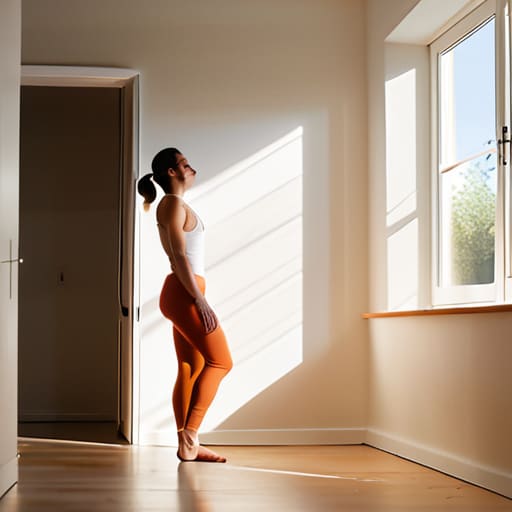
Now, I know what you’re thinking—you’ve had a long day, and the last thing you want to do is hit the gym for a grueling hour. But trust me, we aren't talking about a marathon session here. I like to view posture correction exercises as a form of "movement snacks" throughout your day. Think of it as a quick mental and physical reset. For instance, if you’ve been feeling that familiar ache in your upper back, you might be dealing with the common struggle of correcting rounded shoulders. A simple doorway stretch or a few "W" extensions can work wonders to open up your chest and remind your body what it feels like to actually breathe deeply.
Beyond just stretching, we need to talk about stability. I always tell my clients that a strong foundation is everything, whether you're building a startup or a savings account. This means strengthening core muscles for posture is non-negotiable. When your midsection is engaged, your spine naturally finds its rhythm without you having to constantly micromanage every inch of your frame. It’s about building that internal support system so you can stand tall, both in the boardroom and on your yoga mat.
The Hidden Toll of the Effects of Sitting Too Long

We’ve all been there: you’re deep in a flow state, crushing a project or analyzing a spreadsheet, and suddenly you realize you’ve been glued to your chair for four hours straight. Before you know it, your neck feels like it’s made of lead and your lower back is screaming for mercy. The effects of sitting too long go far beyond just a temporary ache; it’s a slow, creeping tax on your physical and mental energy. When we collapse into our chairs, we aren't just resting—we are actually training our bodies to adopt inefficient, taxing patterns that drain our vitality.
It’s not just about the physical discomfort, though. There is a psychological component to this slouch. When we spend our days correcting rounded shoulders just to keep up with a desk, we lose that sense of open, confident presence I always talk about in my coaching sessions. This constant physical tension can actually spike your cortisol levels, making it harder to find that mental clarity you need to make big financial or career moves. We have to realize that our physical state is the foundation for our professional performance.
Small Shifts, Big Wins: My Top 5 Posture Hacks for the Busy Professional
- Set a "Mindfulness Minute" alarm on your phone. Every hour, don't just check your email—check your body. Roll your shoulders back, unclench your jaw, and take one deep, centering breath. It’s like a mini-yoga reset right at your desk.
- Elevate your digital world. If you’re hunched over a laptop all day, you’re basically begging for neck strain. Prop that screen up on a stack of books until the top third is at eye level. Your spine will thank you, and you’ll look way more commanding in those Zoom meetings!
- Master the "Active Sit." Instead of collapsing into your office chair like a melting marshmallow, imagine a tiny golden thread pulling the crown of your head toward the ceiling. Engaging your core just a little bit keeps you upright without feeling like you're doing a plank.
- Optimize your workspace ergonomics. Your elbows should be at a 90-degree angle, and your feet need to be flat on the floor. If your feet are dangling, you're putting unnecessary pressure on your lower back. Grab a footrest if you have to—it's a total game changer.
- Move with intention during breaks. When you step away for coffee, don't just walk—stretch. Incorporate a few gentle chest openers or standing stretches to counteract that "slumped" feeling. Think of it as investing in your physical capital so you can keep performing at your peak.
Bringing It All Together: Your Blueprint for a Balanced Body
Think of posture as your foundation; when you align your spine, you aren't just fixing a physical ache, you're creating the physical capacity to show up fully in your career and your personal life.
Movement is medicine, so don't wait for a scheduled gym session to care for yourself—incorporate small, mindful stretches throughout your workday to break the cycle of sedentary stiffness.
True wellness is a holistic game where your physical stance, mental clarity, and professional confidence all intersect, so treat every postural adjustment as an investment in your long-term success.
The Connection Between How You Stand and How You Thrive
"Improving your posture isn't just about avoiding a nagging backache or looking better in a blazer; it’s about physically opening yourself up to the confidence and energy you need to actually show up and own the life you’re working so hard to build."
Lena Anderson
Taking the First Step Toward Your Balanced Self

At the end of the day, improving your posture isn't just about a series of stretches or avoiding that dreaded "tech neck." It’s about recognizing how the physical habits we build during our grind—like sitting for eight hours straight or hunching over a laptop—directly impact our mental clarity and long-term vitality. By integrating those corrective exercises we discussed and being more mindful of how we sit, we aren't just fixing a curve in our spine; we are actively reclaiming our physical agency. Remember, small, consistent adjustments to your alignment are much more effective than a single, intense yoga session once a month. It’s about making intentional movements a non-negotiable part of your daily professional ritual.
As you move forward, I want you to view your posture as a reflection of how you show up for yourself. When you stand tall, you aren't just projecting confidence to your clients or your boss; you are signaling to your own nervous system that you are ready and resilient. Success is a marathon, not a sprint, and you can't finish that race if you're constantly fighting physical fatigue and discomfort. So, take a deep breath, roll those shoulders back, and remember that true empowerment starts from the ground up. You deserve to navigate your career with a body that feels as strong and capable as your ambitions.
Frequently Asked Questions
How can I tell if my posture issues are actually causing long-term physical tension or if it's just temporary fatigue?
It’s a tricky distinction, but here’s the litmus test: temporary fatigue usually vanishes after a good stretch or a night’s sleep. However, if that tightness in your shoulders feels like a permanent guest—or if you’re waking up with a stiff neck before you’ve even started your day—that’s your body signaling long-term tension. Think of it like a financial debt; temporary fatigue is a small daily expense, but chronic tension is high-interest debt accumulating against your physical well-being.
Are there specific stretches I can do right at my desk without looking totally weird to my coworkers?
I totally get it—nobody wants to be "that person" doing a full yoga flow in the middle of an open-plan office! To keep it low-key, try some seated spinal twists; just grab your chair arm and gently rotate. You can also do seated figure-four stretches for your hips or simple neck tilts. They look like natural movements, but they’re secretly sending a huge "thank you" to your nervous system!
How much of my posture struggle is actually tied to my stress levels and mental burnout?
Oh, I am so glad you asked this. Honestly? It’s a massive piece of the puzzle. When we’re stressed or hitting that burnout wall, our bodies go into "survival mode"—shoulders hike up to our ears, and we tend to curl inward like we’re protecting our core. It’s a physical manifestation of mental weight. You can do all the stretches in the world, but if your mind is frazzled, your spine will follow suit.