Why Spending Time in Nature Is So Good for You
 Lena Anderson
I remember sitting in my high-rise office in Manhattan, staring at a spreadsheet that felt like it was vibrating, while the hum of the air conditioning felt like it was drilling directly into my skull. I was checking off every professional milestone, yet I felt completely hollow. People always tell you that you need an expensive wellness retreat or a week in Bali to find yourself, but honestly? That's just more noise. I realized that the real, transformative benefits of time in nature don't require a first-class flight or a luxury spa membership; they just require you to actually step outside and touch some grass.
I’m not here to feed you some flowery, pseudo-scientific nonsense about "connecting with the universe." Instead, I want to share how I used the great outdoors to rebuild my mental clarity and professional stamina without breaking my bank account. I’m going to give you the no-nonsense truth about how simple, intentional moments in the wild can actually sharpen your focus and protect your peace. Let's dive into how you can reclaim your rhythm and make nature your ultimate career hack.
Table of Contents
- Finding Inner Calm Through the Mental Health Benefits of Forest Bathing
- Lowering the Stakes Reducing Cortisol Through Outdoor Activity
- My Personal Toolkit for Bringing the Great Outdoors into Your Busy Life
- My Top Lessons for Bringing the Outdoors into Your Hustle
- ## The Ultimate ROI
- Taking the First Step Toward Balance
- Frequently Asked Questions
Finding Inner Calm Through the Mental Health Benefits of Forest Bathing
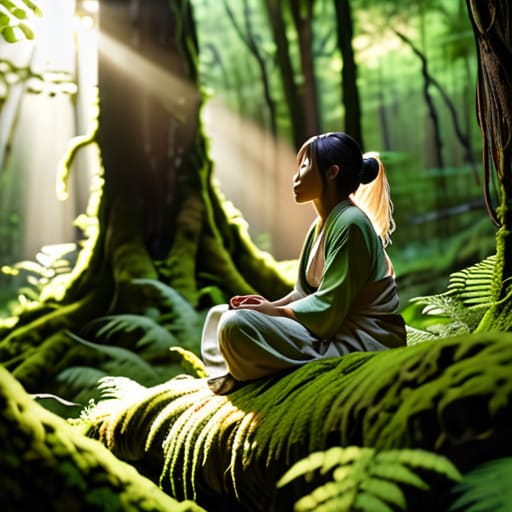
When I first moved to the frantic energy of NYC, I thought my stress was just part of the "climb." I was running on caffeine and sheer willpower, completely ignoring how my brain was actually functioning. It wasn't until I discovered the practice of forest bathing—or shinrin-yoku, as the Japanese call it—that I realized I wasn't just tired; I was overstimulated. By simply immersing myself in the sights and sounds of a wooded area, I began to tap into the profound mental health benefits of forest bathing. It’s not about hiking a mountain or hitting a personal best; it’s about being present in the quiet, letting the rustle of leaves drown out that nagging internal monologue of deadlines and spreadsheets.
Science actually backs up this "soul-recharge" feeling, too. There is a fascinating connection between our biology and the earth, often referred to as the biophilia hypothesis, which suggests we have an innate tendency to seek connections with nature. I’ve personally found that even a short session of nature therapy for stress relief acts like a hard reset for my nervous system. Instead of spiraling into work anxiety, I find my breathing slows down and my perspective shifts. It’s a powerful reminder that we aren't meant to be tethered to glowing screens 24/7; we are designed to thrive in rhythm with the world around us.
Lowering the Stakes Reducing Cortisol Through Outdoor Activity
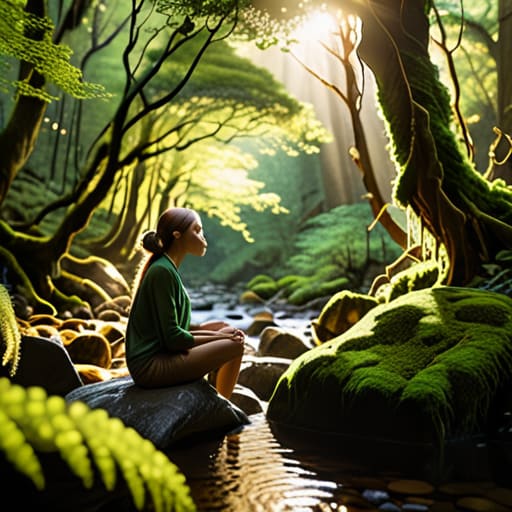
We’ve all been there: sitting at a desk in Midtown, staring at a spreadsheet until the numbers start to blur, feeling that familiar, tight knot of anxiety tightening in your chest. That’s your body’s alarm system going off. When we’re constantly in "hustle mode," our bodies stay flooded with stress hormones. But I’ve found that one of the most effective ways of reducing cortisol through outdoor activity is simply to change your scenery. It’s not just a mental shift; it’s a biological reset.
When I step out of the concrete jungle and into a park, I can practically feel my nervous system downshifting from "fight or flight" into something much more sustainable. There is actual science behind this—the physiological effects of natural environments act like a natural tranquilizer for our overactive brains. Instead of spiraling over a missed deadline or a budget discrepancy, the rhythmic sounds of the wind or the sight of sunlight filtering through leaves helps pull us back to the present. It’s about lowering the stakes and reminding your body that, right here, in this moment, you are safe.
My Personal Toolkit for Bringing the Great Outdoors into Your Busy Life
- Schedule "Green Meetings." Instead of another soul-crushing Zoom call or sitting in a windowless conference room, try taking your one-on-one or your brainstorming session to a local park. I’ve found that the fresh air actually helps the creative juices flow much better than a stale office environment ever could.
- Practice the "Micro-Break" Method. You don't need a week in the Catskills to feel the magic. Even five minutes of sitting on a park bench without your phone—just watching the trees or the birds—can act as a total system reset for your brain when your inbox starts feeling overwhelming.
- Turn Your Commute into a Nature Walk. If you’re working from home, skip the walk to the kitchen for your coffee and head to the nearest patch of grass instead. If you're in the city like I am, find a route that takes you past a community garden or a tree-lined street; those tiny glimpses of green are vital for keeping your cortisol in check.
- Leave the Tech Behind (Seriously!). It’s tempting to take your podcasts or your Spotify playlists on a hike, but try going "analog" for at least twenty minutes. Listening to the actual rustle of the leaves or the wind helps ground you in the present moment, which is a total game-changer for mindfulness.
- Create a "Nature Nook" at Home. On days when the weather is acting up or your workload is too intense to leave your desk, bring the outdoors in. A few well-placed houseplants or even just opening a window to let the breeze in can provide a small, much-needed sense of connection to the natural world.
My Top Lessons for Bringing the Outdoors into Your Hustle
Don't wait for a week-long vacation to reset; even a fifteen-minute walk around the block without your phone can act as a powerful "micro-dose" of clarity for your brain.
Nature isn't a distraction from your productivity—it's the fuel for it. Think of outdoor time as a strategic investment in your mental bandwidth rather than time stolen from your to-do list.
Listen to your body's rhythm, not just your calendar's. If you're feeling that mid-afternoon slump, swap one more cup of coffee for a bit of sunlight to naturally regulate your stress levels.
## The Ultimate ROI
"I’ve spent years analyzing spreadsheets and chasing growth metrics, but I’ve realized that the best investment you can ever make isn't in a 401(k)—it's in the twenty minutes you spend sitting under a tree, letting the silence reset your soul so you can actually enjoy the success you're working so hard to build."
Lena Anderson
Taking the First Step Toward Balance
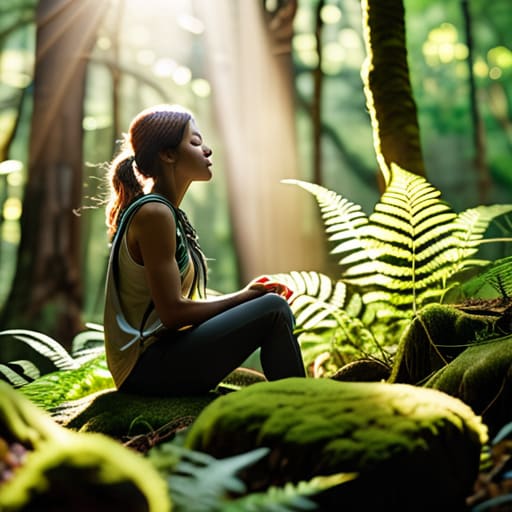
At the end of the day, we’ve talked about how nature isn't just a scenic backdrop for your weekend hikes; it’s a fundamental tool for your professional and personal longevity. Whether you are using forest bathing to quiet the mental chatter of a high-stakes corporate role or heading outdoors to physically flush out that excess cortisol, you are essentially investing in your most valuable asset: yourself. We’ve seen how stepping away from the glowing blue light of our laptops and into the green embrace of the wild can recalibrate our nervous systems and sharpen our focus. Remember, taking time to breathe in the fresh air isn't a distraction from your goals—it is the fuel that powers your ambition without burning you out.
As you close this tab and head back into your busy schedule, I want to challenge you to make one small, non-negotiable appointment with the great outdoors this week. You don't need a mountain range or a national park to reap these rewards; sometimes, a twenty-minute walk through a local park is enough to reset your entire perspective. Don't wait until you are completely depleted to seek out the sunlight. Start prioritizing these moments now, because a career built on a foundation of wellness is the only kind that truly sustains you. Go find your rhythm, find your peace, and show up as your best self for the life you’re building.
Frequently Asked Questions
How can I actually incorporate nature into my routine if I live in a concrete jungle like NYC and don't have a backyard?
Listen, I get it. Living in the concrete jungle, the idea of "forest bathing" can feel like a cruel joke when your view is mostly brick and scaffolding. But trust me, you don't need a backyard to find your zen. I make it a point to find the "micro-wilds"—a quick lunch break in Central Park, a tiny pocket park between skyscrapers, or even just tending to my windowsill herb garden. It’s about those small, intentional pockets of green that help you reset.
Are there specific types of outdoor activities that are better for mental clarity versus just physical fitness?
That is such a brilliant question! Think of it like this: if you’re looking for a mental reset, you want "low-arousal" activities. Slow, rhythmic movements like trail walking or even just sitting by water act like a software reboot for your brain. High-intensity workouts are amazing for physical stamina, but for pure mental clarity, I always recommend activities that allow your eyes to wander and your breath to settle. It’s about finding that flow state!
Can spending time in nature really help prevent burnout, or is it just a temporary band-aid for a stressful job?
I get asked this all the time in my coaching sessions, and I’ll be real with you: if you’re using a weekend hike to escape a toxic workplace, it might feel like a band-aid. But true nature immersion? That’s deep soul-maintenance. It’s not just a distraction; it’s about recalibrating your nervous system so you can actually handle the pressure. Think of it as upgrading your internal software rather than just rebooting a crashing computer.