Sewing Basics: Everything a Beginner Needs to Know
 Lena Anderson
I still remember sitting on my floor in my tiny first New York apartment, surrounded by expensive, high-end fabric scraps and a sewing machine that felt more like a temperamental beast than a tool. I had spent way too much of my hard-earned paycheck on "professional" starter kits, convinced that I needed a studio-grade setup just to learn the sewing basics for beginners. Honestly? It was a total waste of money that only added to my stress. I thought I needed a degree in textile engineering just to sew a straight line, but the truth is, the industry loves to make this craft feel intimidatingly complex just to sell you more gadgets.
I’m here to tell you that we are stripping away all that unnecessary fluff. In this guide, I’m giving you the real, no-nonsense roadmap to mastering sewing basics for beginners without the burnout or the massive price tag. Think of this as your personal toolkit for finding creative calm in a chaotic world. I’ll share the exact, practical steps I used to transition from frantic stitching to intentional creating, ensuring you build a foundation that actually serves your lifestyle and your budget.
Table of Contents
- Curating Your Sanctuary With Essential Sewing Tools for Beginners
- Choosing Gentle Fabric Types for First Projects
- Five Little Lessons to Keep Your Creative Flow (and Your Sanity) Intact
- Stitching Success: My Top Three Tips for Your Sewing Journey
- Finding Your Rhythm in Every Stitch
- Stitching Your Way to Success
- Frequently Asked Questions
Curating Your Sanctuary With Essential Sewing Tools for Beginners
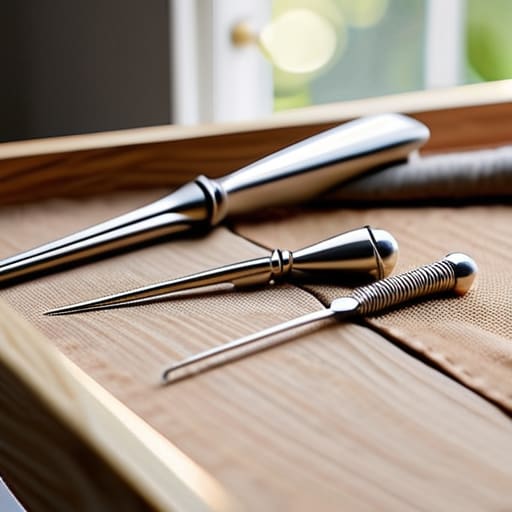
Think of your sewing space not as a cluttered craft corner, but as a dedicated sanctuary where you can unplug from the digital noise and actually create something tangible. When I first started, I thought I needed every gadget in the catalog, but trust me, that’s a fast track to overwhelm. Instead, focus on building a thoughtful sewing notions and supplies list that covers the fundamentals without breaking your budget. A sharp pair of fabric shears, a reliable seam ripper (your new best friend, I promise!), and a handful of quality pins are the real MVPs.
Once you have your physical space sorted, it’s all about the tools that bridge the gap between your vision and the final product. Investing in a decent, user-friendly machine is a game-changer, but don't let the technical side intimidate you. Before you dive into complex patterns, spend a little time mastering the basics, like how to thread a sewing machine or experimenting with different fabric types for first projects. Keeping things simple at the start allows you to find your rhythm and, more importantly, keeps the process feeling like a joy rather than a chore.
Choosing Gentle Fabric Types for First Projects
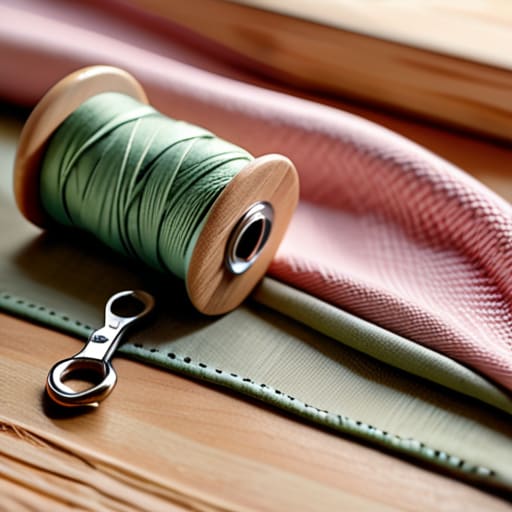
Now, let’s talk about the soul of your project: the fabric. When you’re just starting out, it is so tempting to grab that gorgeous, slippery silk or a heavy, structured denim you saw in a boutique window. But trust me, your future self will thank you if you start with something a bit more forgiving. I always recommend sticking to cotton knits or lightweight cotton weaves for your very first attempts. They aren't prone to sliding all over your table, which means you can focus on your technique rather than chasing a rogue piece of fabric across the room.
Think of your fabric choice as the foundation of your work-life balance in the sewing world; if the material is too difficult, you’ll end up feeling frustrated instead of inspired. When exploring different fabric types for first projects, look for stability. A simple cotton poplin is a dream because it holds its shape beautifully while you're practicing your basic sewing stitches explained in your manual. By choosing materials that behave, you turn a potentially stressful afternoon into a meditative, joyful experience that leaves you feeling empowered to tackle even bigger creations next time!
Five Little Lessons to Keep Your Creative Flow (and Your Sanity) Intact
- Embrace the "Beautiful Mess" Mindset: Listen, we’ve all been there—you spend hours on a seam only to realize it’s crooked. Instead of letting a wonky stitch ruin your evening, take a deep breath, maybe a quick mindful minute, and just rip it out. Mistakes aren't failures; they're just part of the learning curve!
- Master the Art of the Slow Stitch: In my corporate days, everything was about speed and ROI. But sewing? It’s the opposite. If you try to rush through your first few projects, you'll end up frustrated. Think of sewing as your new meditation; slow down, enjoy the rhythm of the machine, and let the process be your reward.
- Don't Skimp on the "Golden Trio": You don't need a massive sewing room, but please, I beg you, invest in a decent pair of fabric shears, a reliable seam ripper, and some high-quality thread. Using dull scissors is like trying to run a marathon in flip-flops—it’s just going to make the whole experience much harder than it needs to be!
- Measure Twice, Cut Once (The Golden Rule of Life and Sewing): This is one of those life lessons that applies to everything from your budget to your bobbin. Taking that extra ten seconds to double-check your measurements can save you a massive amount of heartache (and wasted fabric) later on. Precision is your best friend here.
- Set Small, Joyful Goals: Don't try to sew a three-piece suit on your first weekend. Start with something small and achievable, like a simple pillowcase or a drawstring bag. Completing a tiny project gives you that hit of dopamine and the confidence to tackle something bigger next time!
Stitching Success: My Top Three Tips for Your Sewing Journey
Don't let the gear overwhelm you; focus on gathering a few quality essentials that invite creativity rather than cluttering your space.
Start with forgiving, easy-to-handle fabrics to build your confidence and keep the "learning curve" feeling more like a gentle stroll.
Remember that perfection isn't the goal—the real win is finding a rhythmic, meditative way to unplug and create something beautiful with your own hands.
Finding Your Rhythm in Every Stitch
"Think of learning to sew much like building a new career or a healthy savings account: it’s not about rushing toward the finish line, but about mastering the small, intentional movements that eventually weave together into something beautiful and uniquely yours."
Lena Anderson
Stitching Your Way to Success
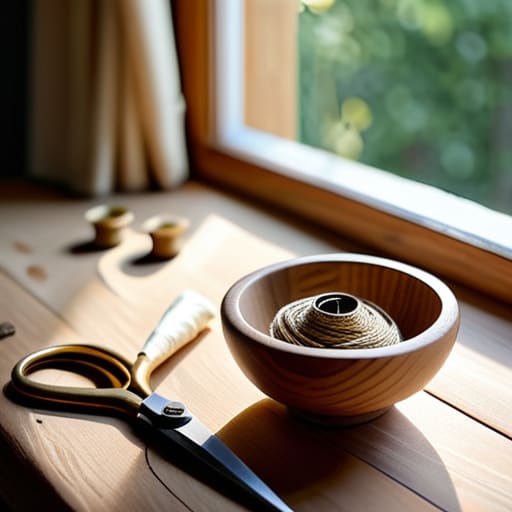
As we wrap up this little introductory journey, remember that you don't need a professional studio to get started. By curating a mindful collection of essential tools and selecting gentle, forgiving fabrics, you’ve already laid the groundwork for a rewarding new hobby. It’s not about having every gadget in the catalog; it’s about having the right foundation to support your creativity without feeling overwhelmed. Think of your sewing kit as your personal toolkit for relaxation—a way to turn raw materials into something tangible and beautiful, one careful stitch at a time.
If I can leave you with one piece of advice from my years of coaching, it’s this: be patient with your progress. Just like building a career or mastering a mindfulness practice, sewing is a skill that grows through consistency and, occasionally, a few unraveled seams. Don't let a crooked line discourage you; instead, see it as a sign that you are learning and evolving. Embrace the imperfections, celebrate the small wins, and most importantly, find the joy in the process. You aren't just making clothes or decor; you are crafting a moment of peace in a busy world. Happy sewing!
Frequently Asked Questions
I have all my tools and fabric ready, but how do I actually sit down and start my very first stitch without feeling completely overwhelmed?
Take a deep breath—honestly, let’s do a quick mindful inhale together. That overwhelm is just your brain’s way of saying you care! Instead of eyeing the whole project, just focus on one single seam. Think of it like a tiny investment: you aren't building the empire today; you're just making your first deposit. Grab your fabric, set a timer for just fifteen minutes, and let the rhythm of the machine become your new meditation.
Is it worth investing in a high-end sewing machine right away, or should I stick to a budget-friendly model while I'm still finding my rhythm?
Honestly? Save your pennies for now! Think of it like starting a new fitness journey—you wouldn't buy the most expensive Peloton before you even know if you enjoy spinning, right? Grab a reliable, budget-friendly machine to find your rhythm. Once you've mastered your tension and stitch length, then we can talk about upgrading your "office equipment." For now, let's focus on the joy of creating without the heavy financial pressure!
How do I balance the desire to dive into complex patterns with the need to keep things simple so I don't burn out and lose my sense of joy?
Think of it like a career pivot: you wouldn't jump straight into managing a global team without mastering the basics first! To keep the joy alive, use the "80/20 Rule." Dedicate 80% of your time to "comfort projects"—simple, quick wins that build confidence—and save 20% for that ambitious, complex pattern. It’s all about pacing. If the pattern feels like a mountain you can't climb, scale back. Don't let a single seam steal your zen!